Quick answer
A ductless mini split in Miamisburg, OH gives a single room, an addition or an entire duct-free older home its own quiet heating and cooling, connected to an outdoor heat pump through a three-inch wall opening. Comfort Air Solutions sizes each zone with a load calculation, recommends cold-climate models for Ohio winters and installs most single-zone systems in a day.
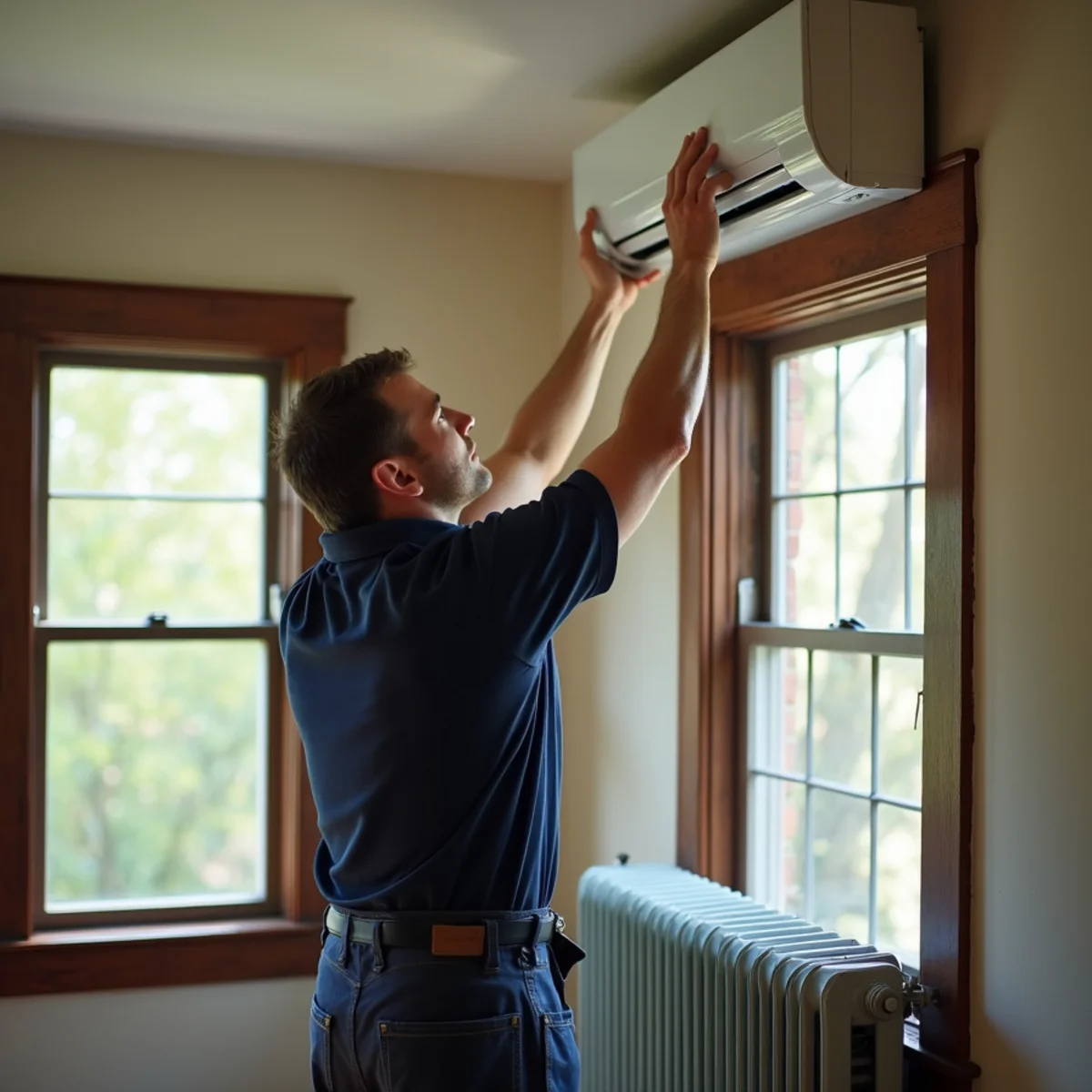
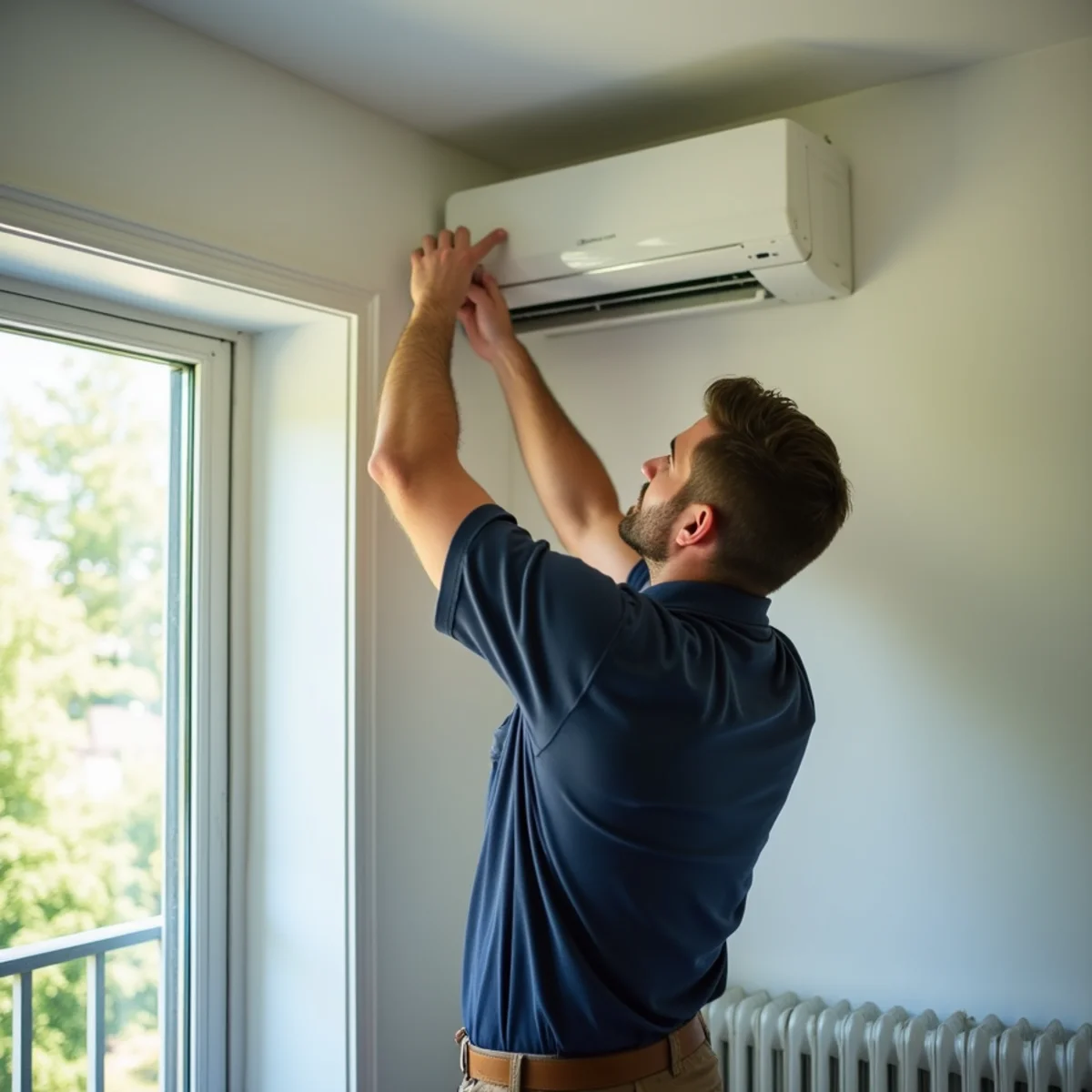
A ductless mini-split pairs a compact outdoor heat pump with one or more indoor air handlers mounted on a wall, ceiling or floor. A small refrigerant line set and a condensate drain pass through a hole about three inches across. There is no ductwork to run through finished walls.
That makes ductless systems a natural fit for Miami Valley homes that have outgrown their original heating and cooling. Comfort Air Solutions sizes, installs and services single-zone and multi-zone systems from Miamisburg to Oakwood, and our technicians work on all makes when an existing unit needs repair.

Signs a Ductless Mini-Split Is the Right Fit
A room addition or bonus room that is never comfortable
Rooms at the end of a long duct run, or over a garage, often get too little airflow. A dedicated head solves it without rebalancing the whole house.
A sunroom or three-season porch you want to use year-round
Large glass areas swing hard between hot and cold. A mini-split handles both seasons in one unit.
A garage workshop or home gym
Garages are poor candidates for extending household ducts, since that can pull fumes into the home. A separate ductless system keeps the air paths apart.
A finished basement that is cold and damp
Basements often have a single supply register. A mini-split adds heat in winter and dehumidifying cooling in summer.
An older home with radiators and no central air
Boiler-heated homes can keep their radiators and add quiet cooling with slim indoor heads instead of cutting chases for ducts.
Window units that are loud and block the view
Ductless heads run far more quietly than window air conditioners and free up the window for security and light.
Seeing one of these signs?
Call now — we dispatch fast and give you written options before any work.
What your ductless installation includes
A mini-split lives or dies by the install. Here is what we deliver on every job, single-zone or multi-zone.
Per-room sizing and head selection
Heat loss and gain calculated for each zone, then the right wall, ceiling, floor or concealed-duct style chosen for how the room is used.
Outdoor unit set above snow line
A raised pad or wall bracket with clearance for airflow and room for defrost water to drain and freeze without blocking the coil.
Clean line-set routing with line-hide
Insulated copper lines, communication wire and drain run the shortest practical path and are covered where they show on the siding.
Dedicated circuit and disconnect
A new breaker and outdoor disconnect, with a look at your panel capacity first so the heat pump does not overload an older service.
Pressure test, deep vacuum and charge verification
Nitrogen pressure test for leaks, evacuation to a low micron reading, and startup readings in both heating and cooling mode.
Controls lesson and filter demo
How to use the remote or app, what dry mode does, and how to pull and rinse the washable filters so airflow stays strong.
How We Plan and Install a Ductless System
- 1
Room-by-room load calculation
Each zone is sized to its own heat gain and loss. An oversized head short-cycles and leaves a room clammy, so we calculate rather than guess.
- 2
Choosing head style and placement
Wall-mounted, ceiling cassette, slim ducted and floor console units each suit different rooms. We plan placement for even airflow and a clean line-set route.
- 3
Outdoor unit location
The condenser goes on a pad or wall bracket raised above typical snow depth, with clearance for airflow and defrost drainage.
- 4
Line set, drain and electrical
We run and insulate the refrigerant lines, cover them with line-hide where visible, pitch the condensate drain, and install a dedicated circuit and disconnect.
- 5
Evacuation, charge and walkthrough
The system is pressure-tested, vacuumed to a deep micron level and started up. We show you the remote or app controls and how to rinse the washable filters.
What Affects the Cost of a Ductless Mini-Split
Two ductless jobs can look alike from the street and still be priced very differently. Here is why.
- Number of zones
- A single-zone system for one room is the simplest project. Multi-zone systems serving several rooms need a larger outdoor unit and more line sets.
- Cold-climate performance
- Cold-climate heat pumps keep delivering heat at low outdoor temperatures. They cost more than cooling-focused models but can serve as a primary heat source.
- Indoor unit style
- Standard wall heads are the most economical. Ceiling cassettes and concealed ducted units require more labor and framing work.
- Line-set length and routing
- Long runs, routing through finished spaces or lines that must travel up the exterior of a two-story home add material and time.
- Electrical capacity
- Older panels in historic homes may need an upgrade or a new circuit before a heat pump can be added.
Ductless Cooling for Older Dayton and Oakwood Homes
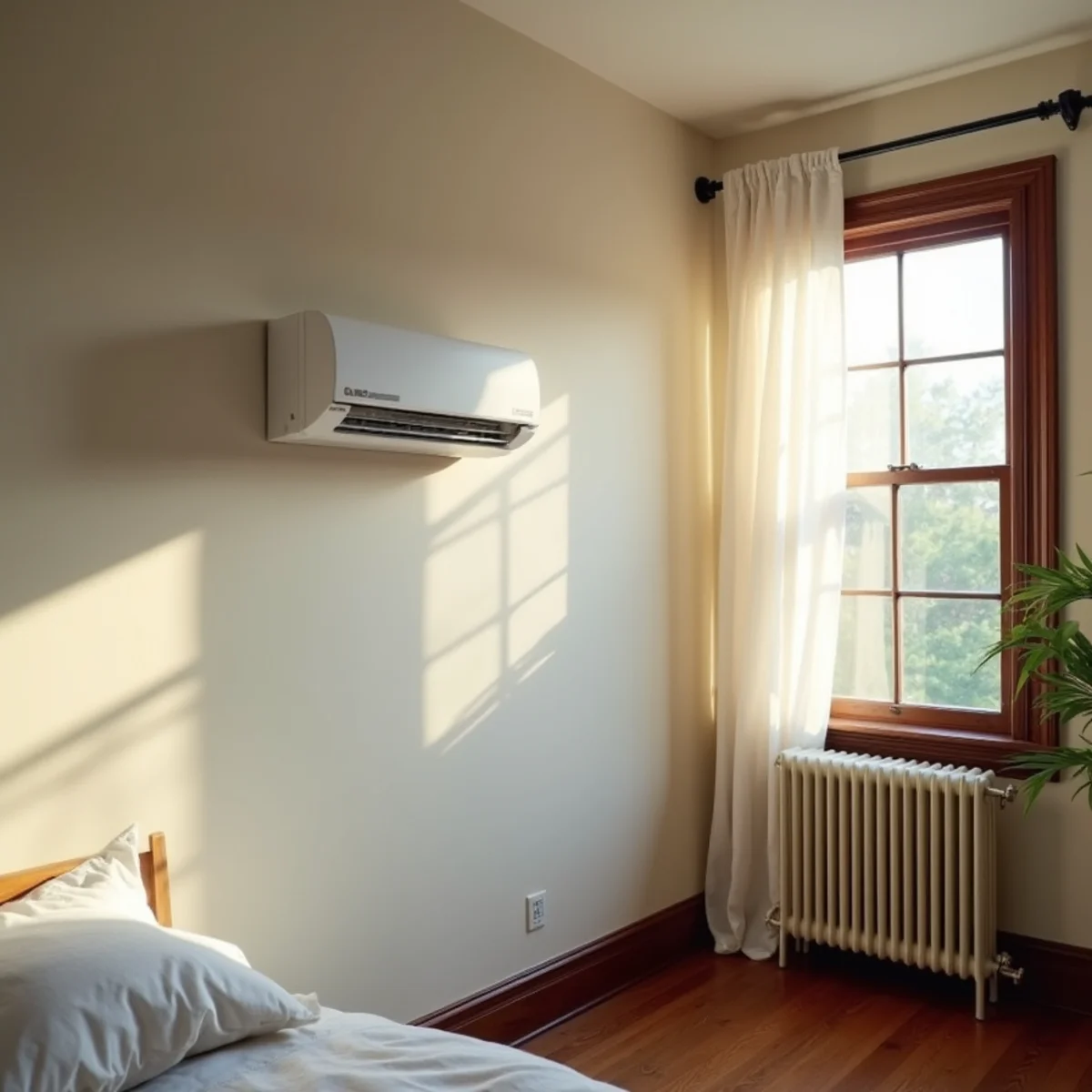
Many homes in Oakwood and Dayton's older neighborhoods were built with plaster walls, hot-water or steam radiators and no ducts at all. Adding central air traditionally meant sacrificing closets for chases and cutting into original plaster.
A multi-zone mini-split avoids most of that. Line sets can often be routed through closets, attics or along the exterior, and the boiler keeps providing the radiant heat those homes were designed for. Our blog covers this in detail for historic homes in Centerville and Germantown.
Single-Zone vs. Multi-Zone Systems
| Consideration | Single-zone | Multi-zone |
|---|---|---|
| Rooms served | One room or open area | Two or more rooms from one outdoor unit |
| Temperature control | One setpoint | Independent setpoint in each zone |
| Outdoor footprint | One small condenser per room | One larger condenser for several heads |
| Best for | Additions, garages, sunrooms | Whole-floor cooling in homes without ducts |
Can a Mini-Split Heat Through an Ohio Winter?
Modern cold-climate heat pumps are rated to keep producing meaningful heat well below freezing, which covers most Miami Valley winter days. On the coldest nights, a backup source such as the existing furnace, boiler or electric heat keeps the house comfortable. If you already own a heat pump, our heat pump repair team services ducted and ductless models alike.
Ductless units also filter and dehumidify, which pairs well with our indoor air quality options. For a whole-house upgrade, a ducted HVAC system replacement may be the better investment, and we will tell you which makes sense.
Mini-Split Specs, Troubleshooting and Care for Southwest Ohio Homes
Once the wall head is up, a ductless system behaves differently from the furnace and central air most Ohio homeowners grew up with. It ramps up and down instead of switching on and off, it pauses to defrost in winter, and small maintenance lapses show up fast. This guide explains how to read the equipment specs before you buy and how to tell normal behavior from a service call after.
How to read a mini-split spec sheet
- SEER2: seasonal cooling efficiency under the current federal test procedure. Higher means less electricity for the same summer cooling.
- HSPF2: the heating-season counterpart. For a head that will carry winter heat, this number matters as much as SEER2.
- Capacity at 5°F: cold-climate models publish how much heat they still deliver on a bitter night. Compare that figure with the room’s heat loss, not only the nameplate rating at mild temperatures.
- Minimum capacity (turndown): how low the inverter can throttle. A head with a low minimum can run gently in a small bedroom instead of cycling on and off.
- Indoor sound level: listed in decibels at low fan speed; worth checking for bedrooms, nurseries and home offices.
The most common sizing error we see is a head chosen by room square footage alone. A small, well-insulated bedroom paired with an oversized head reaches setpoint quickly, stops removing moisture and short-cycles. That is why every zone we quote gets its own load figure.
Normal behavior or a problem? A quick reference
| What you see or hear | Normal or not | Likely reason | What happens next |
|---|---|---|---|
| Head stops blowing warm air for several minutes on a cold day | Usually normal | Defrost cycle clearing frost from the outdoor coil | Heat resumes on its own; repeated long defrosts deserve a check |
| Steam rising from the outdoor unit in winter | Normal | Melting frost evaporating during defrost | Keep the area under the unit clear so meltwater drains |
| Water dripping from the indoor head | Not normal | Clogged or poorly pitched condensate line, algae in the drain pan | Drain cleared and re-sloped, pan cleaned |
| Ice on the copper lines or indoor coil | Not normal | Dirty filters, low refrigerant charge or a failing indoor fan | Filters rinsed, charge and fan checked, leak repaired if found |
| Flashing lights or an error code | Not normal | Sensor, communication wire or board fault | Code read against the manufacturer’s chart before parts are ordered |
| Musty smell when the unit starts | Not normal | Mold growth on the blower wheel and coil | Indoor unit disassembled and cleaned |
Homeowner care between service visits
- Slide out and rinse the mesh filters on each head; let them dry fully before reinstalling.
- Wipe the louvers and the front grille where dust settles, and look for dark specks on the blower wheel behind the vane.
- Keep shrubs, mulch piles and patio furniture a couple of feet from the outdoor unit so it can breathe.
- After a heavy snow, clear the top and sides of the condenser and make sure the base drain is not frozen into a block of ice.
- Check that the condensate line outlet outside the house is dripping freely in summer and not buried under landscaping.
A yearly professional cleaning of the coil and blower wheel fits neatly into a preventative maintenance plan, and members can have their ductless heads looked at during the same visit as the furnace.
Mistakes that make ductless systems disappoint
Expecting one head to heat a whole floor. Air from a wall unit does not turn corners well, so closed bedroom doors leave those rooms behind. Deep nightly setbacks. Inverter systems are most efficient when held at a steady temperature; turning the head off in January and asking it to recover in the morning wastes the design advantage. Mounting above a bed or recliner. A head aimed at people feels drafty, so we angle airflow along the ceiling and across the room. Skipping a backup plan in old houses. Even with a cold-climate unit, keeping the radiators or furnace available for the coldest stretch is sensible. Our article on ductless mini-splits for older homes in Oakwood and Dayton walks through that pairing in detail.
Why choose Comfort Air Solutions for ductless mini-splits
Plain answers about whether ductless fits
Reviewers mention technicians who explain things in everyday language. Sometimes that means telling you a ducted system or a simple duct fix beats a mini-split, and we will say so.
Options at more than one price point
Single-zone, multi-zone, standard or cold-climate: you see written choices side by side, with no hidden costs. Financing is available with approved credit.
Careful work inside finished and historic homes
Shoe covers, drop cloths and dust control around every wall penetration. Customers notice the cleanup, especially in homes with original plaster and woodwork.
Service for every brand afterward
As a factory-authorized Bryant® dealer with 25+ years in the trade, we also repair and clean mini-splits other companies installed, including coil and blower-wheel cleaning.
Ductless Mini-Splits near Miamisburg
Ductless requests come most often from homes built before central air was common. In Oakwood, brick and stucco houses heated by radiators are the classic candidate, and the older streets of Dayton are close behind. We also install plenty of single-zone systems for sunrooms and garage conversions on the mid-century ranches of Kettering, and for additions on older farmhouses and village homes around Germantown. In Miamisburg itself, the houses near the historic downtown and the Great Miami River are frequent ductless projects.
We provide ductless mini-splits from our Miamisburg shop throughout the southern Dayton suburbs, including:
- West Carrollton, OH
- Moraine, OH
- Springboro, OH
- Germantown, OH
- Kettering, OH
- Centerville, OH
- Dayton, OH
- Franklin, OH
- Carlisle, OH