Quick answer
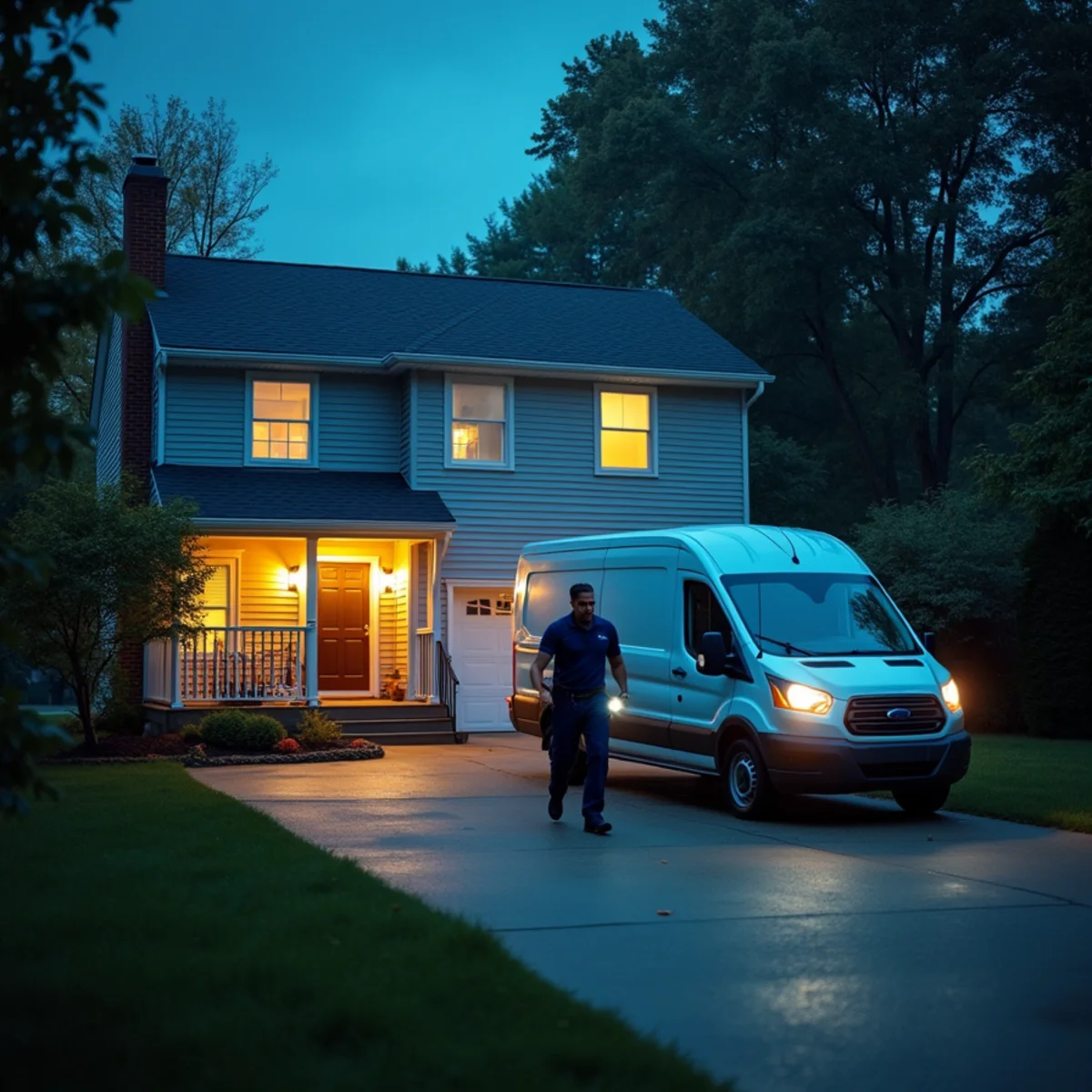
Emergency HVAC repair in Miamisburg, OH starts with a phone call that a real person answers, day or night, weekends and holidays included. Comfort Air Solutions triages the problem over the phone, walks you through safe checks, and dispatches an on-call technician from our local shop for no-heat, no-cooling, water and safety calls.
HVAC trouble rarely waits for business hours. Our emergency line exists so you are never stuck listening to a voicemail greeting while the house changes temperature. That is what emergency HVAC repair in Miamisburg should mean: a human on the line and a technician on the way when it truly cannot wait.
This page is the starting point for any urgent heating or cooling problem. It explains how our after-hours dispatch works, what genuinely counts as an emergency, and a few safe things you can check while you wait. For the specific failures we see in each season, see our pages on no-heat emergency furnace repair and heat-wave emergency AC repair.
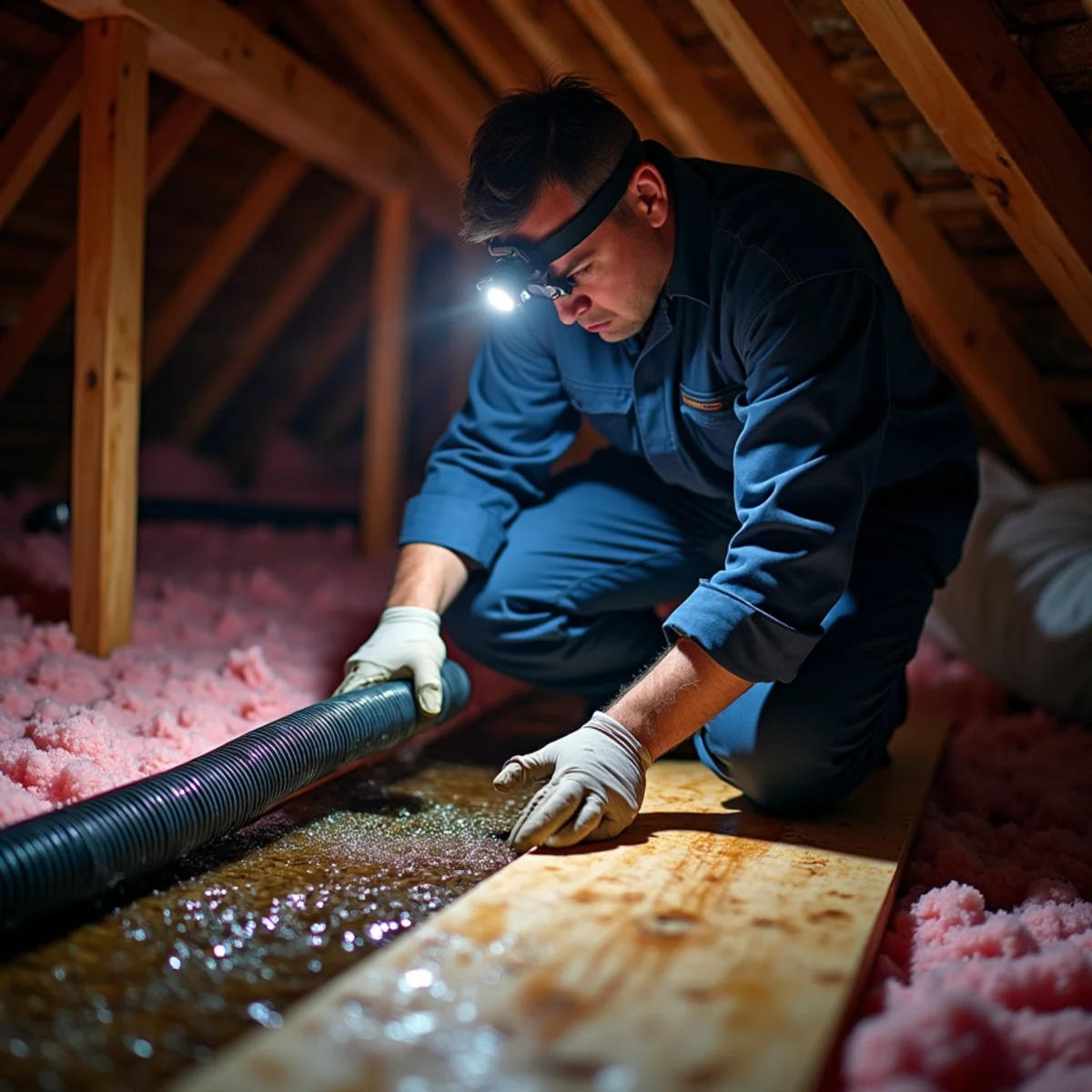
What counts as an HVAC emergency
If any of these describe your situation, call us rather than waiting for Monday.
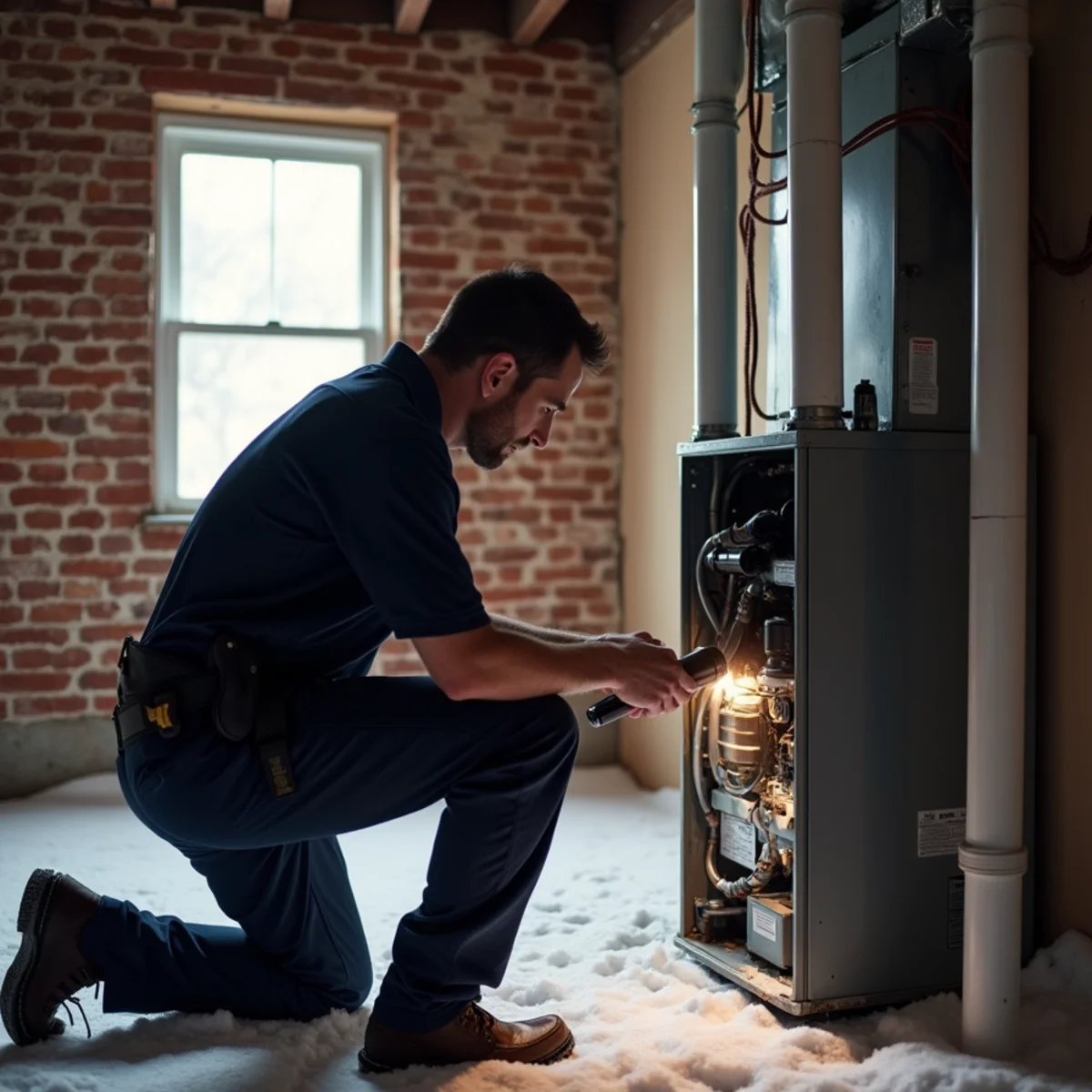
No heat when it is near or below freezing
Indoor temperatures fall quickly in a Montgomery County cold snap, and pipes in exterior walls and crawl spaces become the next problem.
No cooling during extreme heat
Upstairs bedrooms can climb into dangerous territory within hours, which matters most for infants, older adults and anyone with a heart or lung condition.
Burning, electrical or rotten-egg smells
A gas odor means leave now and call 911 or your gas utility from outside. Electrical burning smells mean shut the system off at the thermostat and breaker.
Carbon monoxide alarm sounding
Get everyone outside first, call 911, and let responders clear the home. We handle the furnace diagnosis once it is safe to go back in.
Water pouring from the furnace or air handler
A clogged condensate line or cracked drain pan can soak finished basement ceilings and flooring faster than most people expect.
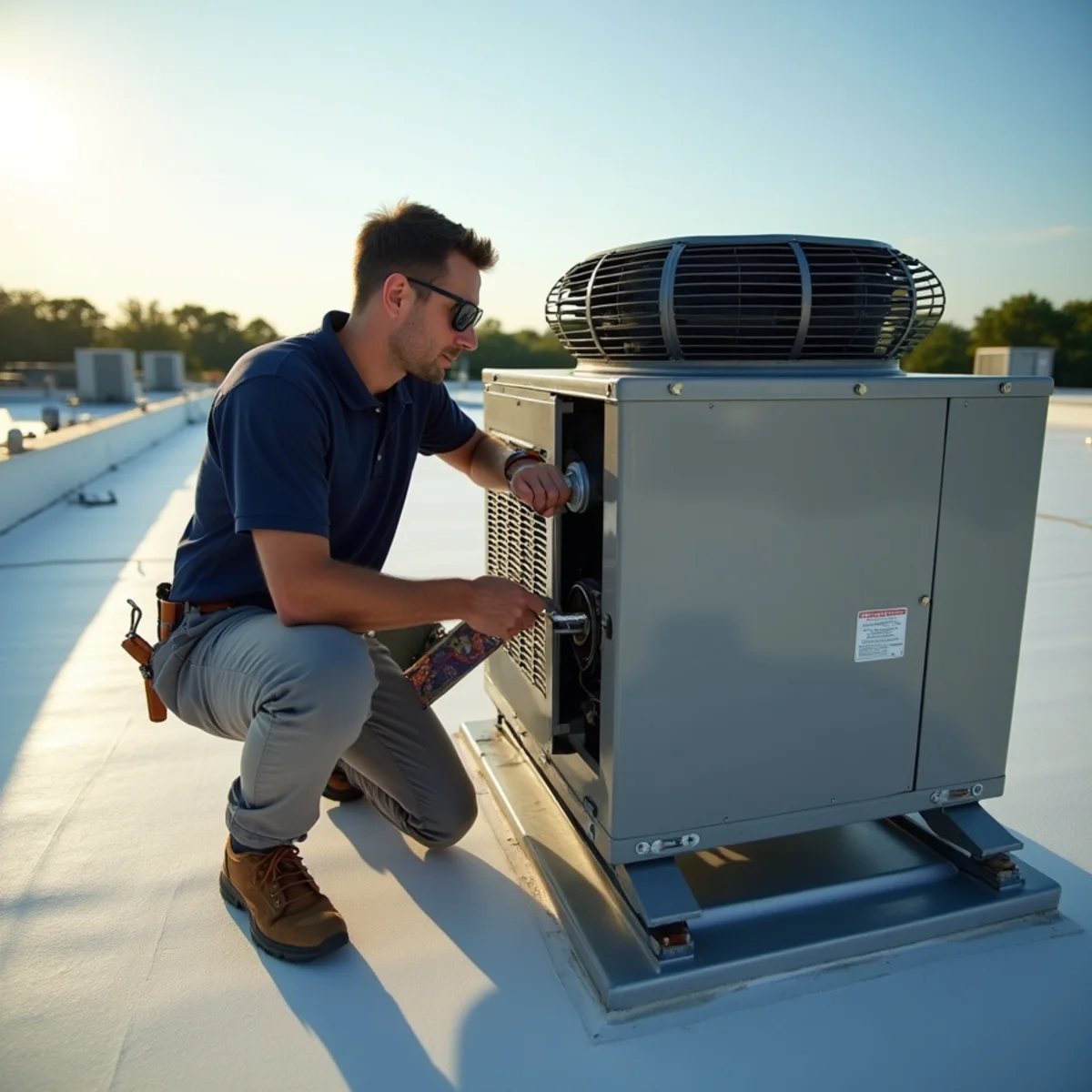
Commercial space that cannot open
Restaurants, offices and shops lose revenue by the hour when a rooftop unit fails, so our light commercial customers get the same dispatch priority.
Seeing one of these signs?
Call now — we dispatch fast and give you written options before any work.
What every emergency call includes
The failure changes from call to call. The way we handle it does not.
A live phone triage
Safety questions first, then tool-free checks, so you know within minutes whether a truck needs to roll tonight.
An honest arrival estimate
We say where the on-call technician is coming from and call when they are on the way.
Safety testing before anything restarts
Gas pressure, venting, electrical connections and, on fuel-burning equipment, a combustion check, so the fix does not create a second problem.
A written price you approve first
The technician shows you the diagnosis and the cost of the repair before picking up a wrench, even at two in the morning.
Stocked-truck repairs or a safe stopgap
Common failed parts are usually fixed on the spot. When a part has to be ordered, the system is left safe and, where possible, partly running.
A clean exit and clear notes
Shoe covers, a wiped-down work area and a written summary of what failed and what to watch for next.
How our after-hours dispatch works
- 1
You call and a person answers
Reviewers regularly mention that someone always picks up. We take your address, the symptoms and the age of the equipment if you know it.
- 2
Quick triage over the phone
We ask safety questions first, then walk through thermostat, breaker and filter checks. Sometimes that solves it without a visit.
- 3
Dispatch and arrival window
We give you a realistic arrival estimate based on where the on-call tech is. Customers have described arrivals within 30 to 40 minutes on no-heat and no-AC calls, though weather and call volume affect timing.
- 4
Diagnosis and options before work starts
The technician tests the system, explains the failure in plain English, and gives you the repair options and cost before touching anything.
- 5
Repair, or a safe temporary fix
Most common parts ride on the truck. If a part must be ordered, we make the system safe and, where possible, restore partial heating or cooling until it arrives.
What shapes the cost of an emergency visit
We tell you what the visit involves before a technician heads out, and you approve any repair before it begins. These factors drive the final number.
- Time of the call
- Late-night, weekend and holiday calls involve after-hours labor, which is different from a scheduled weekday appointment.
- What failed
- A tripped safety switch and a failed blower motor are very different repairs in parts and time.
- Part availability
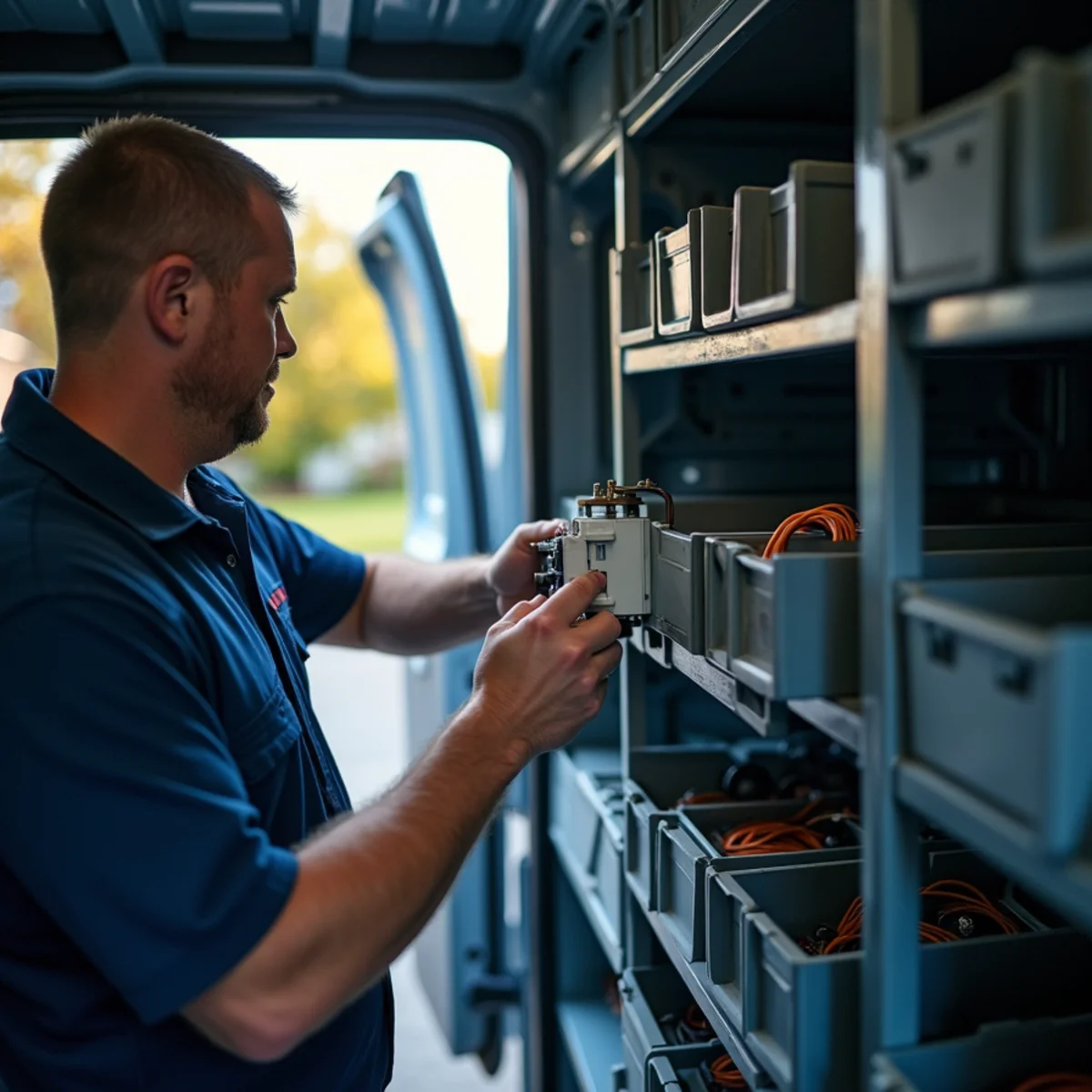
- Common capacitors, ignitors and contactors are stocked on the truck, while brand-specific boards may require a supply-house run.
- System age and access
- Attic air handlers, crawl-space furnaces and rooftop units take longer to reach and work on safely.
- Maintenance plan membership
- Members of our Comfort Air Fan Club maintenance plan receive priority scheduling, and a maintained system is less likely to fail in the first place.
What to do before the technician arrives
- If you smell gas or a CO alarm is sounding, stop reading and leave the home. Call 911 or your gas utility from outside.
- Check that the thermostat is set to the right mode and has fresh batteries. A blank screen is a clue worth mentioning when you call.
- Look at the breaker panel for a tripped HVAC or furnace breaker. Reset it once. If it trips again, leave it off.
- Confirm the furnace service switch, which often looks like a light switch on or near the unit, is on.
- Pull the air filter. A filter caked gray can shut down a furnace on its high-limit switch or freeze an AC coil.
- Clear a path to the furnace and outdoor unit and secure pets, so the technician can start working right away.
Checks you should not attempt
Please do not remove burner compartment doors, jump safety switches, bang on the outdoor unit, or touch the capacitor. Capacitors hold a dangerous charge even with the power off, and bypassing a limit or pressure switch disables the safeguards that keep a furnace from overheating or venting carbon monoxide into the home.
Refrigerant work also requires EPA Section 608 certification. If you suspect a leak, our technicians handle recovery and recharge legally and safely.
Where our on-call techs cover
Our shop sits in Miamisburg near I-75, which puts emergency service in Dayton, West Carrollton, Moraine and Springboro within a short drive. Outside our usual area, call anyway and we will tell you honestly whether we can reach you in reasonable time.
Once the emergency is handled, many families enroll in seasonal HVAC maintenance, since a tune-up catches weak capacitors, cracked ignitors and clogged drains long before they fail on a holiday.
Tonight or tomorrow morning? A quick triage guide
Not every breakdown needs a midnight truck, and we will say so. Many emergency directory sites just sell your call to whichever contractor bought the lead. Our phone is answered by the same company that sends the technician.
| Situation | Our usual advice |
|---|---|
| Gas odor, CO alarm, smoke or sparking | Leave, call 911 or the gas utility, then call us once cleared |
| No heat with a hard freeze outside, or no cooling with vulnerable people at home | Dispatch tonight |
| Water spreading toward finished flooring or electrical | Shut the system off, then dispatch |
| System runs but short of setpoint on a mild night | Usually safe to book the first morning slot |
| Odd noise with normal heating or cooling | Turn it off if it grinds or squeals; otherwise schedule a daytime visit |
Inside an after-hours HVAC call: routing, protecting the house and what comes next
This hub page exists to get the right help moving, whatever broke. The dedicated furnace and air conditioning emergency pages go component by component. Here we cover what sits around every urgent call: how we route it, how to keep damage down while you wait, why failures cluster on the worst days, and what to do once the house is comfortable again.
Routing the call: which system, which specialist page
Callers rarely know whether the fault is in the furnace, the condenser, the thermostat or the power feeding them, and they should not have to. A few details you can see from across the room tell our dispatcher which parts and which technician to send.
| What you notice | Most likely area | What the tech brings or tests first | Read more |
|---|---|---|---|
| Thermostat screen blank | Low-voltage circuit, transformer or a blown board fuse | Meter for 24-volt power, spare fuses, transformer | This page |
| Furnace blinks a light code but never lights | Ignition sequence or safety switch | Ignitor, flame sensor, pressure switch testing | No-heat furnace page |
| Blower runs, outdoor unit silent in July | Condenser power, capacitor or contactor | Capacitors, contactors, amp clamp | No-cooling AC page |
| Outdoor unit running, frost on the big copper line | Airflow or refrigerant charge | Filter check, coil thaw plan, gauges | No-cooling AC page |
| Heat pump steaming and silent in winter | Normal defrost, or a stuck defrost cycle | Defrost board and sensor checks | Heat pump repair page |
| Rooftop unit down at a business | Economizer, belts, contactor or controls | Roof access plan, belts, common motors | Light commercial page |
From there, the specialist guides go deeper: no-heat emergency furnace diagnostics for winter and the AC emergency page for summer. Heat pumps and rooftop units have their own quirks, and saying which one you have saves real time on the phone.
Protecting the house while the truck is on the way
- In a freeze: open cabinet doors under sinks on outside walls, let a faucet on the coldest wall drip, and keep interior doors open so whatever heat remains can move.
- Space heaters: give each heater its own wall receptacle rather than a cord or strip, keep three feet of clearance, and turn them off when you leave the room. Never heat a home with a gas oven, grill or generator indoors.
- In extreme heat: close blinds on the sun side, move people to the lowest floor, run ceiling fans and keep everyone drinking water. Check on older neighbors who live alone.
- With water on the floor: turn the system off at the thermostat, set a pan or towels under the leak, and keep extension cords and electronics away from it.
- For businesses: note the unit number or location and whether the roof hatch or ladder is locked, so nobody waits on a key.
Why breakdowns cluster on the coldest and hottest days
Equipment is designed to handle the extremes, but those are the hours when it runs almost nonstop. A capacitor that has been drifting weak all spring finally fails on the first humid week. An ignitor with a hairline crack survives mild autumn cycles and splits on the first frigid morning, when the furnace fires over and over. Loaded filters, grimy coils and sagging utility voltage during peak demand all push marginal parts over the edge at the same moment.
That is also why holiday weekends feel cursed. Families are home, doors open and close, thermostats get pushed further than usual, and the system has no slack left. Our cold-weather guide on why a furnace quits during an Ohio cold snap walks through the most common winter culprits in more detail.
After the emergency: the next seven days
- Keep the summary the technician leaves. It lists what failed, readings taken and anything flagged as weak but still working.
- Watch for a repeat. The same symptom within a few days usually points to a root cause, such as a drain that keeps clogging or a motor overheating a new capacitor. Call us back rather than resetting it.
- If a part was ordered, confirm the return visit and ask what the temporary setup can and cannot handle overnight.
- If the tech mentioned age or safety concerns, schedule a daytime conversation about repair versus HVAC system replacement instead of deciding at midnight.
- Put the next tune-up on the calendar. Most emergency parts give some warning to a technician taking readings on a maintenance visit.
Why choose Comfort Air Solutions for emergency HVAC repair
The phone gets answered
It is the single most repeated theme across our 32 Google reviews, which average 4.8 stars: people call at odd hours and reach someone.
A local shop, not a lead broker
Our on-call technicians leave from Miamisburg, not a regional call center, and they know the housing and equipment common across the Miami Valley.
Decades of troubleshooting behind every call
The team brings 25+ years in the HVAC trade, and owner Kevin Turner has spent more than 23 of them diagnosing heating and cooling failures.
No pressure when you are most vulnerable
Midnight is no time to be sold a replacement. You get written options, and anything non-urgent can wait for daylight.
24/7 Emergency Repair near Miamisburg
After-hours calls come in from all over the south Dayton suburbs, but the busiest overnight routes run along I-75 and I-675. We regularly dispatch to Kettering, West Carrollton, Centerville and Franklin, and light commercial calls often come from Moraine businesses that need to open in the morning. If you are farther out, call and we will give you a straight answer on timing.
We provide 24/7 emergency repair from our Miamisburg shop throughout the southern Dayton suburbs, including:
- West Carrollton, OH
- Moraine, OH
- Springboro, OH
- Germantown, OH
- Kettering, OH
- Centerville, OH
- Dayton, OH
- Franklin, OH
- Carlisle, OH