Quick answer
Air duct cleaning in Miamisburg, OH is worth it after a remodel, a pest problem or when debris is visibly blowing from the registers, and usually not needed for ordinary household dust. When it is warranted, Comfort Air Solutions cleans every supply and return run under negative pressure and also cleans the blower and checks the coil, so the system does not dirty the ducts all over again.
Your ductwork moves every cubic foot of heated and cooled air through the house several times an hour. Over years, it collects drywall dust from renovations, pet hair, pollen and whatever settles in an unsealed return near the basement floor.
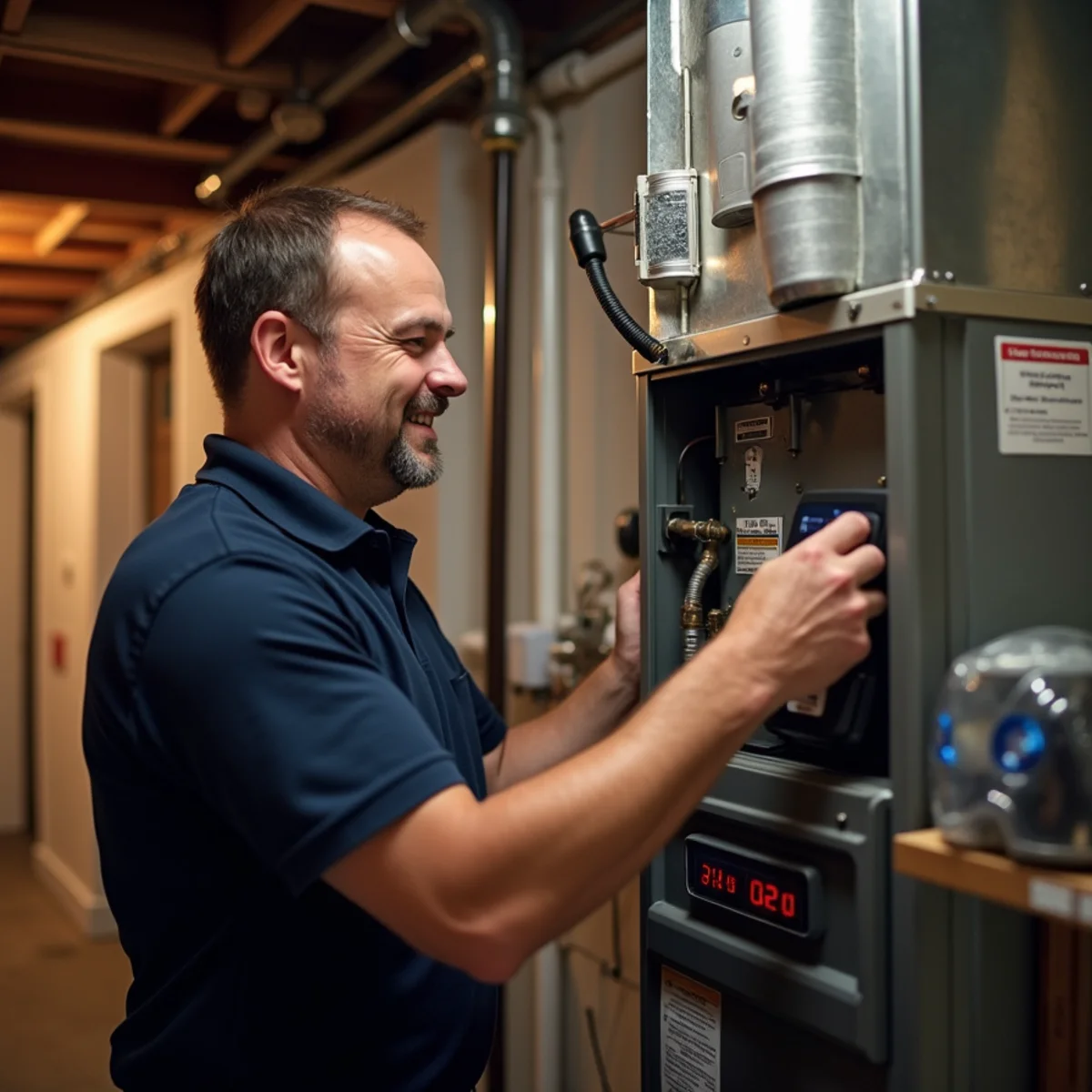
Comfort Air Solutions cleans ducts as HVAC technicians, not a standalone cleaning crew. That means we also look at the blower wheel, evaporator coil and filter setup, because clean ducts connected to a dirty blower just recontaminate themselves.
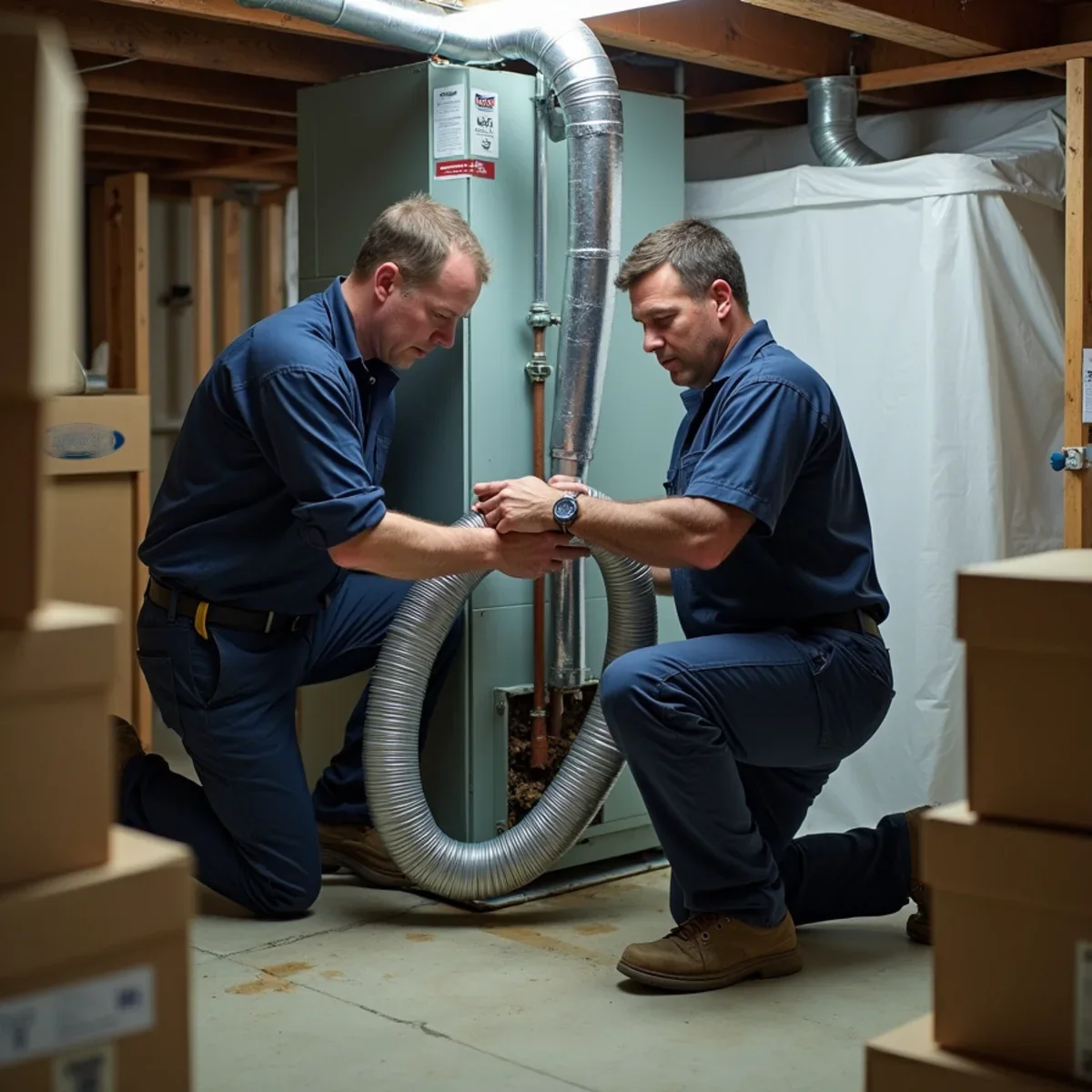
When Duct Cleaning Makes Sense
After a remodel or new construction
Drywall sanding and sawdust pull straight into return grilles. This is one of the clearest cases for a full cleaning.
Visible debris blowing from registers
Puffs of dust when the blower starts, or buildup on supply grilles that returns days after wiping, suggest material inside the runs.
Rodent or insect activity
Droppings, nesting material or dead insects in ductwork should be removed and the entry point sealed.
Suspected mold growth
Moisture problems near the coil or in basement returns need the source fixed first; cleaning without drying the cause is wasted effort.
Moving into an older home
Pre-war and mid-century homes near downtown Miamisburg may have decades of buildup and old duct runs nobody has opened.
Filters loading unusually fast
Heavy filter loading can mean leaky returns drawing in dusty air, which calls for sealing as much as cleaning.
Seeing one of these signs?
Call now — we dispatch fast and give you written options before any work.
What Our Duct Cleaning Service Includes
A proper source-removal cleaning covers the whole air path, from the return grille to the last supply register.
Camera inspection before and after
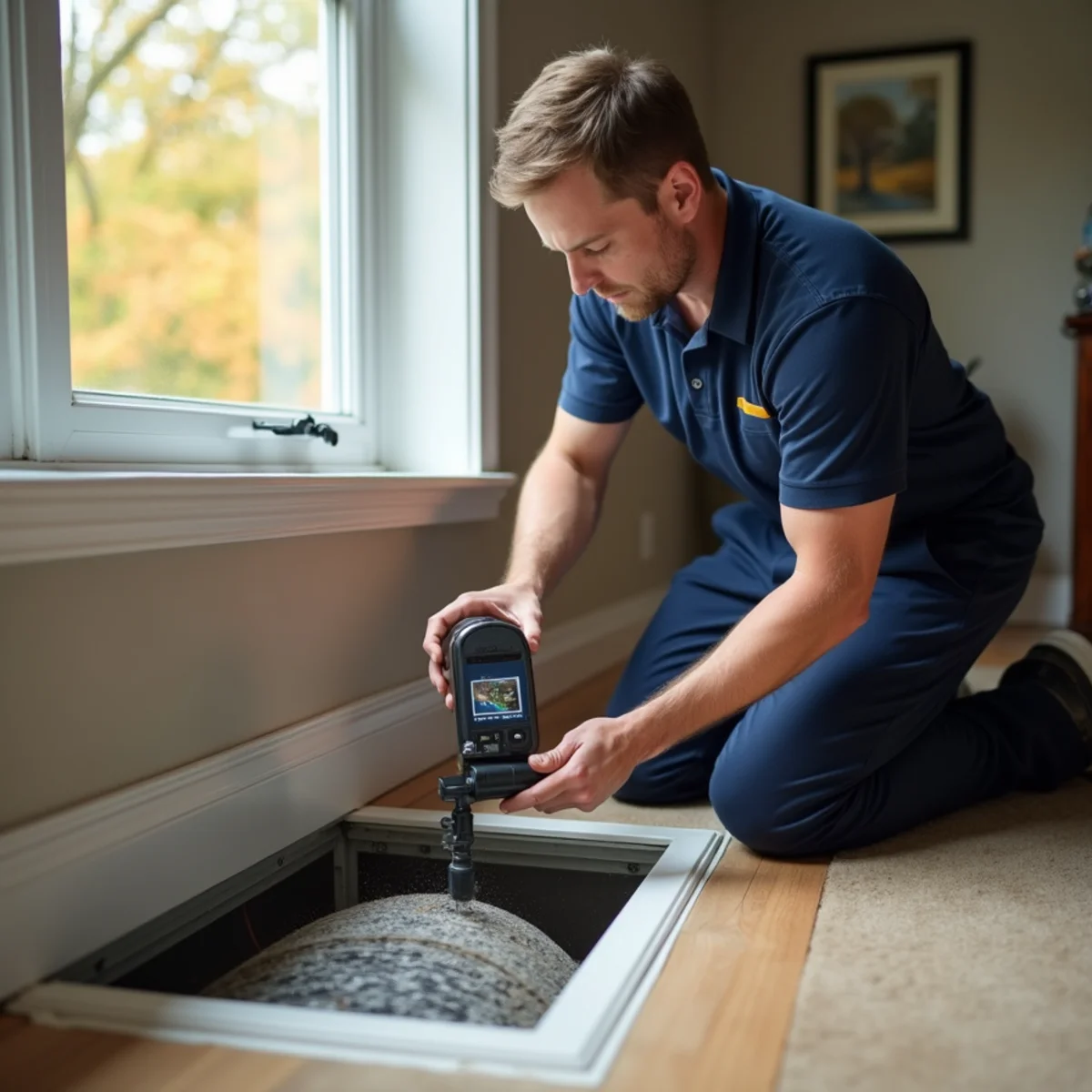
We look inside representative runs first to confirm cleaning is justified, then check again so you can see the difference.
Negative-pressure collection at the trunk
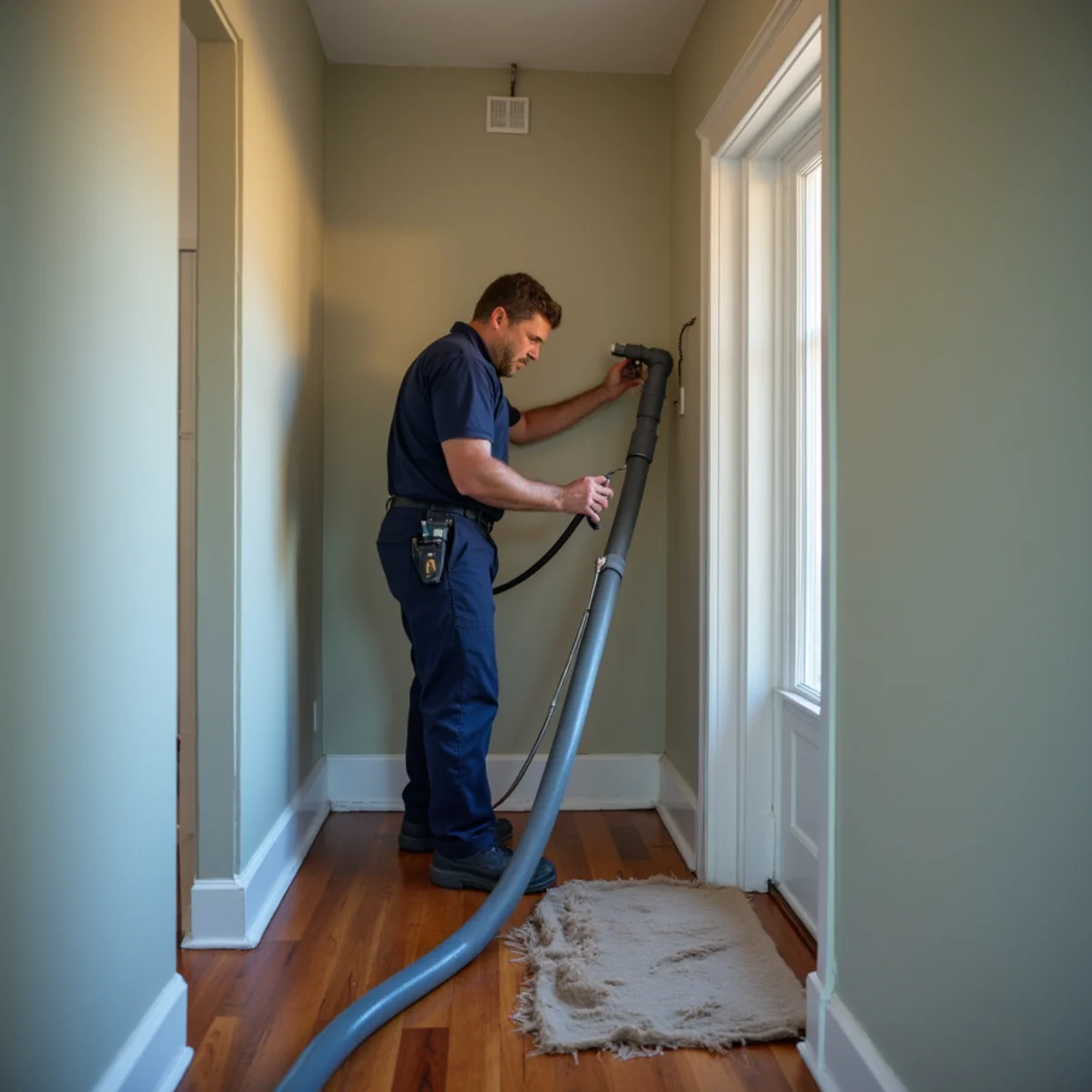
A high-volume vacuum holds the duct system under suction so every bit of loosened debris leaves the house instead of drifting into rooms.
Branch-by-branch agitation
Rotary brushes and air whips worked through each supply and return line, with tools chosen for sheet metal, flex duct or duct board.
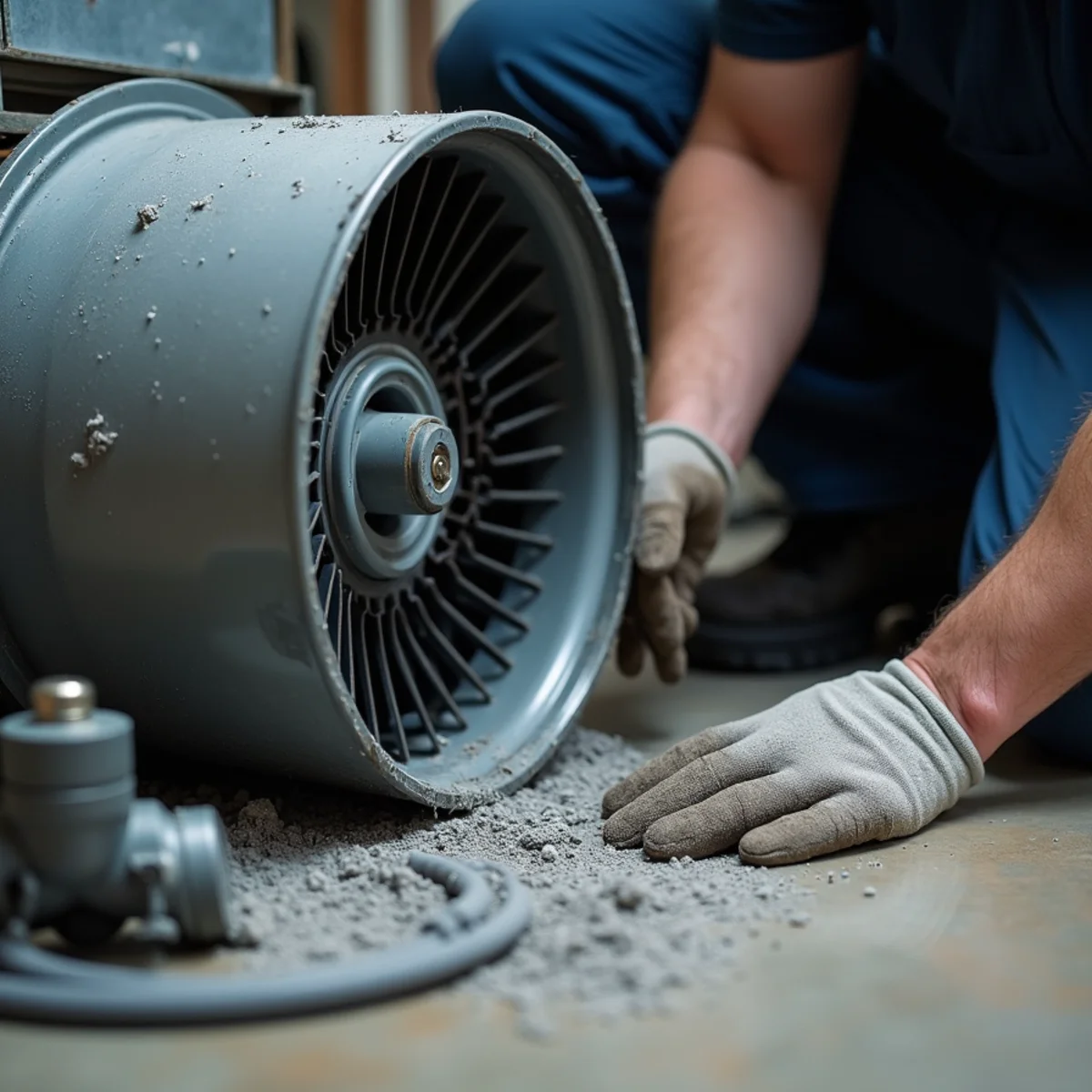
Blower wheel and cabinet cleaning
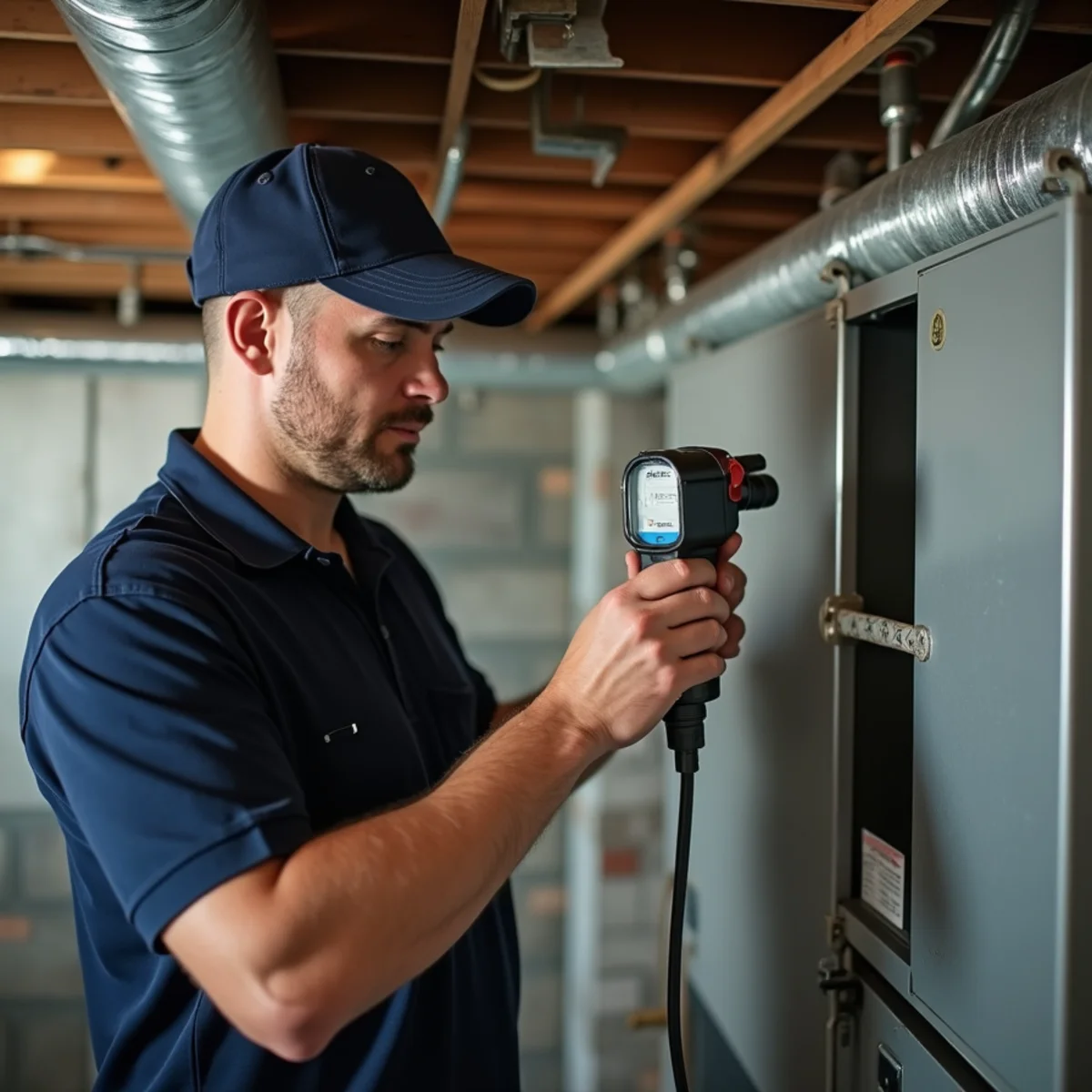
The blower wheel, housing and accessible coil face are cleaned, because a caked blower spreads dust right back through clean ducts.
Registers, grilles and return boxes
Covers are removed and washed, and the return plenum near the furnace, often the dirtiest spot in the system, gets its own attention.
Sealed access ports and an airflow check
Every opening we cut is patched with proper covers, and the system is run to confirm airflow before cleanup and the walk-through.
Our Duct Cleaning Process
We follow the source-removal approach recommended by NADCA, the national air duct cleaning industry association.
- 1
Inspection and floor protection
We look inside several supply and return runs with a camera, note duct materials, and lay down floor protection and shoe covers.
- 2
Put the system under negative pressure
A high-powered vacuum connects to the main trunk so loosened debris is pulled out of the house instead of into your rooms.
- 3
Agitate every run
Rotary brushes and air whips work through each supply and return branch from the register back to the trunk. Registers and grilles are cleaned separately.
- 4
Clean the air handler
The blower wheel, blower housing and accessible coil surfaces are cleaned, since they hold some of the heaviest buildup.
- 5
Seal access points and check airflow
Every access hole is properly patched and sealed, and we verify the system runs with proper airflow before we leave.
What Affects Duct Cleaning Cost
Pricing depends on the size and complexity of your duct system more than anything else.
- Number of supply and return vents
- More registers mean more branches to agitate and vacuum individually.
- Home size and number of systems
- Larger homes with two furnaces or separate upstairs systems have two sets of trunks and air handlers.
- Duct material and condition
- Rigid sheet metal cleans well. Flex duct and duct board need gentler tools, and damaged sections may need replacement instead.
- Level of contamination
- Construction debris or rodent material takes more time than typical household dust.
- Add-on sealing or repairs
- Sealing leaky joints, replacing crushed flex or adding a better filter cabinet is quoted separately if we find the need.
Is Duct Cleaning Worth It? An Honest Answer
Duct cleaning is worth the money after renovations, pest problems, or when you can see debris in the system. It is not a cure-all. Research has not shown that routine cleaning of normal household dust, on its own, improves health or dramatically cuts energy bills.
If your main complaint is allergies, stuffy air or humidity, better filtration and humidity control through our indoor air quality services may do more. Our article Is Air Duct Cleaning Worth It? covers the decision in detail.
Sealing: The Step That Actually Improves Airflow
Leaky ductwork in basements, crawlspaces and attics wastes conditioned air and pulls in dust. We seal accessible joints with mastic or foil tape rated for HVAC use, and check static pressure to confirm the change. In many older homes, sealing makes a larger comfort difference than cleaning. Ask about it during your HVAC maintenance visit.
Protect Your Investment Afterward
A clean system stays clean longer with a well-fitted filter changed on schedule. Our guide on how often to change your furnace filter in Ohio helps you plan. If we find a blower or coil problem during cleaning, we can handle furnace and heating repair on the same visit. We clean ducts across Miamisburg, Germantown, Dayton and nearby communities.
Duct Cleaning in Depth: Materials, Methods and What Cleaning Cannot Fix
Two houses on the same street can need completely different duct work. What the ducts are made of, where they run and why the homeowner called in the first place all change the method, the tools and sometimes the recommendation itself. This section goes further than a typical duct cleaning page so you can judge any quote, ours included.
How the duct material changes the job
| Duct type | Where we usually find it | Cleaning approach | Watch-outs |
|---|---|---|---|
| Galvanized sheet metal | Basement trunks and branches in most older ranches and split-levels | Aggressive rotary brushing and air whips under negative pressure | Loose seams and joints found during cleaning should be sealed with mastic |
| Flexible duct | Attic and crawl space runs in newer two-story homes | Soft brushes or air-only tools at low agitation | Easily torn or kinked; a crushed or sagging run is usually better replaced than cleaned |
| Duct board | Supply plenums and some trunk lines | Gentle brushing only, since the inner face is fibrous | Damaged or damp board can hold growth and may need replacement |
| Fiberglass-lined metal | Plenums near the furnace, some light commercial systems | Low-agitation cleaning that will not shred the liner | Frayed liner sheds fibers and should be repaired or coated per the manufacturer |
| Panned joist returns | Mid-century homes where floor joist bays serve as return ducts | Vacuum through the return opening plus sealing of gaps | Open edges pull basement dust straight into the system |
Matching the complaint to the real fix
Many calls that start as a duct cleaning request turn out to have a different cause. Before we recommend cleaning, we try to connect the symptom to its source.
- A dusty house even with fresh filters: often a gap around the filter slot or a leaky return pulling air from a basement workshop, laundry area or attic. Sealing the return side helps more than cleaning.
- A musty smell when the blower runs: usually moisture at the evaporator coil, drain pan or a damp return in the basement, not the supply ducts.
- One room with weak airflow: a crushed flex run, a closed balancing damper or a branch that has come apart, which a camera finds quickly.
- Whistling at registers: high static pressure from undersized returns or a restrictive filter, which cleaning will not change.
- Dark streaks around ceiling registers: fine particles from candles, fireplaces or filter bypass settling where air moves fast, rather than dirt blowing out of the duct.
Local housing and what it means for your ductwork
Post-war ranches around Miamisburg and in West Carrollton frequently use panned joist returns and basement trunks with decades-old joints, so sealing is often part of the job. Unfinished basements in the river valley stay damp through summer, and uninsulated supply trunks can sweat, dampening the dust inside them.
Older homes near downtown can still carry ductwork wrapped in white tape or insulation from the era when asbestos was common in building materials. We do not disturb that material. If we see it, we stop, explain what we found and recommend testing by a qualified asbestos professional before anyone works on those runs. Humidity control is also part of the answer in many of these houses; our post on indoor air quality and Miami Valley humidity covers why damp air and dust problems so often travel together.
Questions to ask any duct cleaning company
- Does the quote cover every supply and return run, or only a set number of vents?
- Will a negative-air machine be connected to the main trunk, or just a vacuum held at the registers?
- Are the blower wheel, housing and coil face included, or extra?
- Will you show me before-and-after photos or camera footage?
- How will access openings be closed, and with what material?
- Will any chemical be applied, and will you ask me first?
After a proper cleaning, expect a little extra dust for the first day as the system settles, then noticeably less. Check the filter after the first week, since it catches whatever was loosened late in the job. If a room still feels weak or a smell persists, call us back; that points to an airflow or moisture problem our HVAC contractor team can trace.
Why choose Comfort Air Solutions for air duct cleaning
HVAC technicians, not a coupon crew
With 25+ years in heating and cooling, we treat the ducts as part of the equipment and notice blower, coil and airflow problems a cleaning-only outfit would miss.
An honest go or no-go
If your ducts only hold normal dust, we will say so. Reviewers regularly mention getting straight answers and no hidden costs from us.
Clean work in a dusty job
Floor protection goes down, shoe covers go on, and the house is left cleaner than we found it, which reviewers point out often.
Repairs handled by the same team
If cleaning reveals a crushed flex run, leaky joints or a failing blower motor, we quote the fix in writing on the spot instead of sending you elsewhere.
Air Duct Cleaning near Miamisburg
The duct cleaning calls we take most often come from older and freshly remodeled houses. Early twentieth-century homes in Oakwood and older Dayton neighborhoods can hold decades of buildup in original runs, while kitchen and basement renovations across Kettering send drywall dust straight into returns. New construction around Springboro is another regular, since builders rarely clean ducts before closing. Miamisburg, Germantown and Centerville round out the list.
We provide air duct cleaning from our Miamisburg shop throughout the southern Dayton suburbs, including:
- West Carrollton, OH
- Moraine, OH
- Springboro, OH
- Germantown, OH
- Kettering, OH
- Centerville, OH
- Dayton, OH
- Franklin, OH
- Carlisle, OH