Quick answer
HVAC replacement in Miamisburg, OH starts with a free in-home quote and a Manual J load calculation, not a copy of your old unit’s size. Comfort Air Solutions lays out matched Bryant® systems at several price points, pulls the permit, installs in about a day and tests everything before we leave.
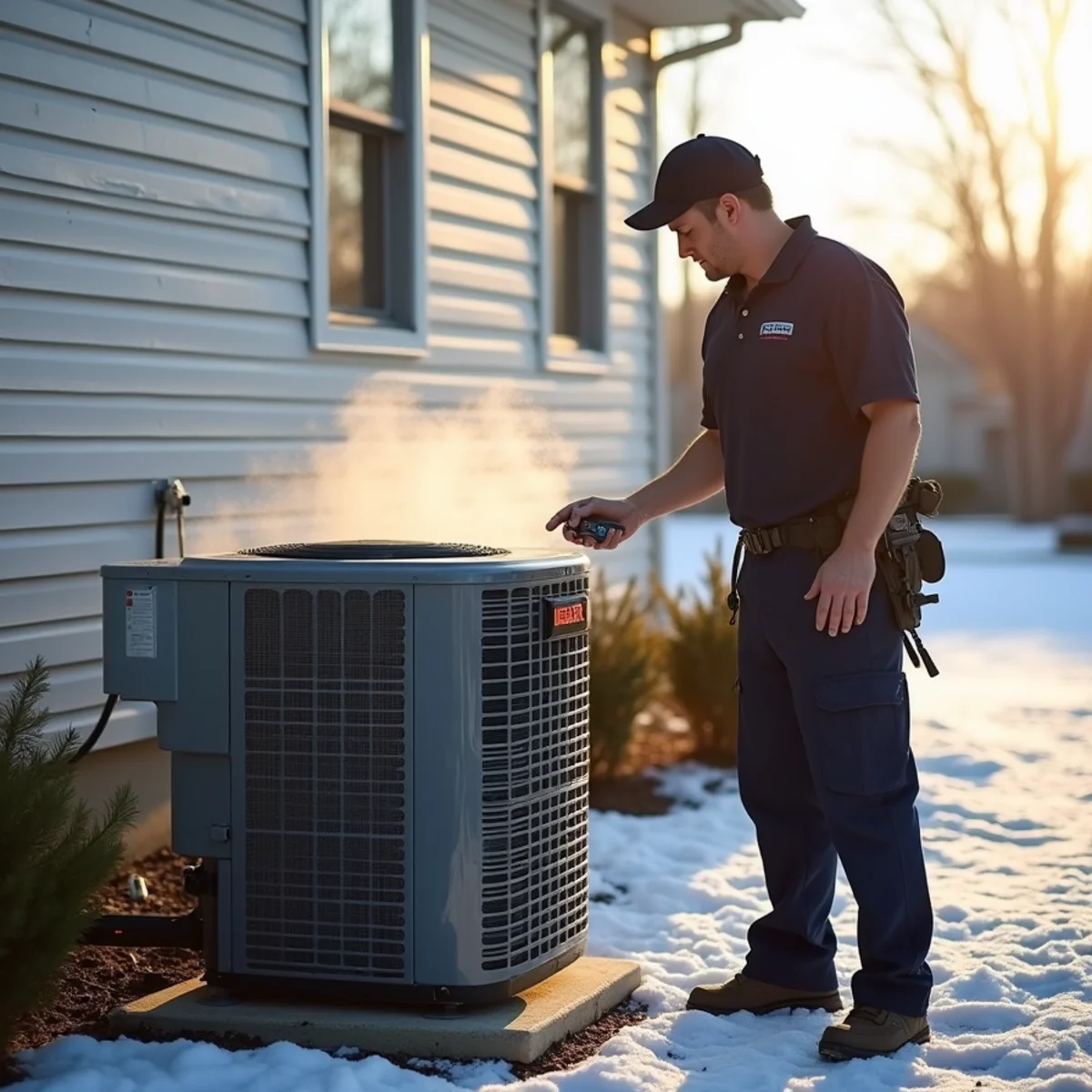
Most replacement calls start the same way: a furnace or air conditioner that has been repaired more than once, bills that keep climbing, or a technician who found a cracked heat exchanger or a failed compressor on a system well into its second decade.
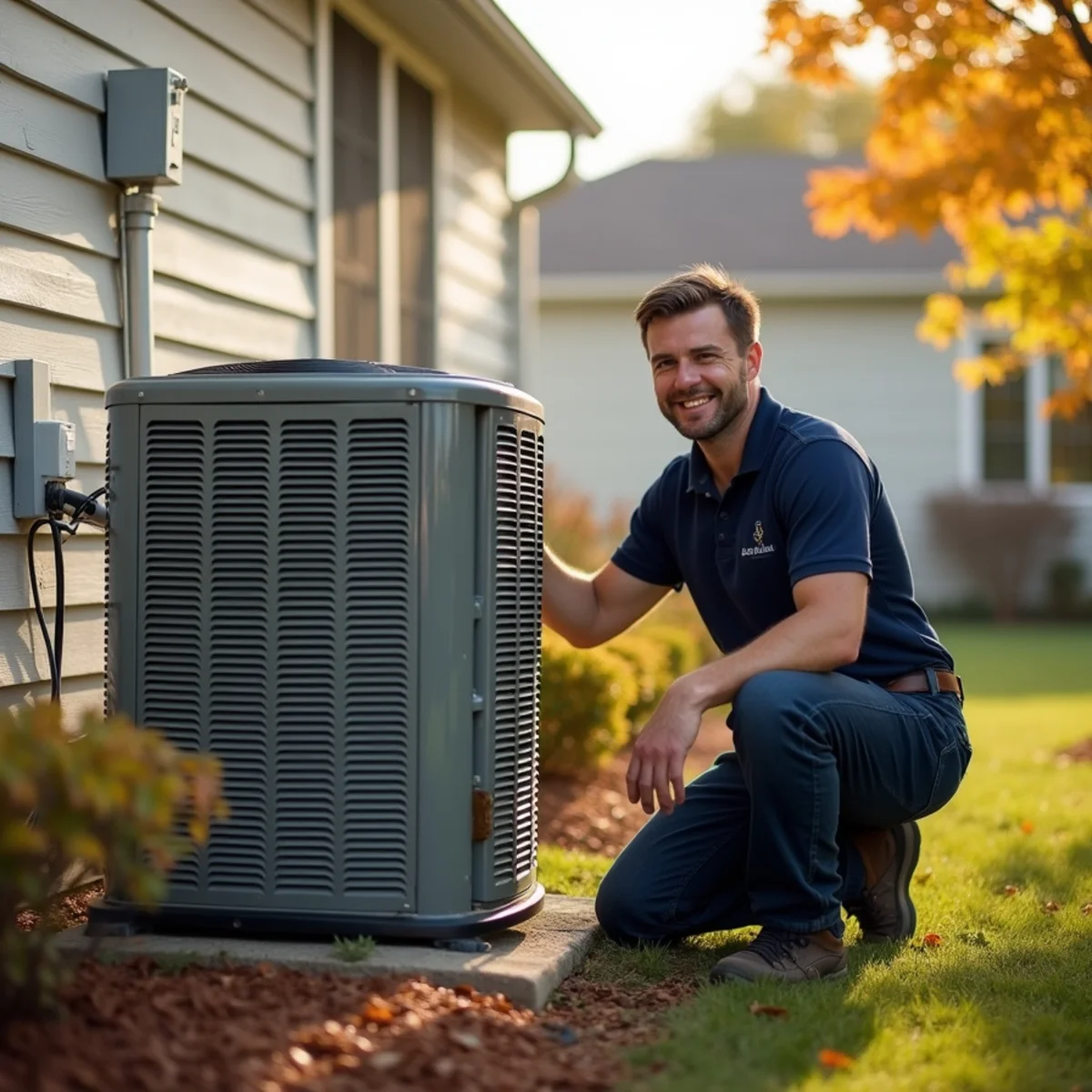
Comfort Air Solutions replaces heating and cooling systems throughout Miamisburg and the Miami Valley. We are a factory-authorized Bryant dealer, we install and service all brands, and replacement quotes are free. Customers often tell us they appreciated seeing several options laid out on the spot instead of a single take-it-or-leave-it number.
Owner Kevin Turner, who has spent more than two decades in the trade, personally checks in on installations. Our crews wear shoe covers, protect floors and haul away the old equipment.
Signs It May Be Time to Replace Your HVAC System
Repeated repairs in the last few seasons
When repair bills stack up on the same system, the money often works harder going toward new equipment with a fresh parts warranty.
An air conditioner that still uses R-22
R-22 is no longer produced in the U.S. Any leak on an older system means expensive reclaimed refrigerant or a conversion that rarely makes sense.
A cracked heat exchanger
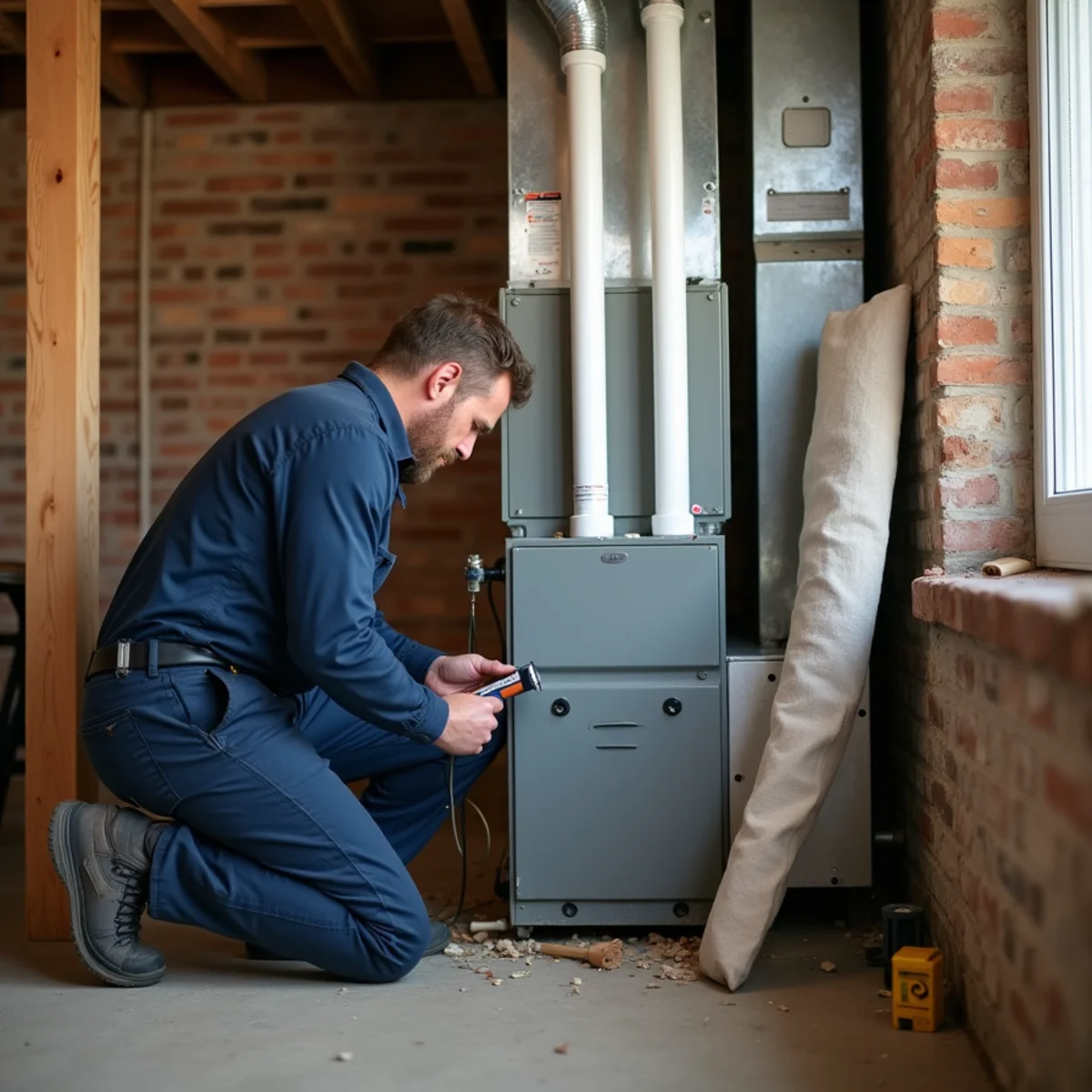
On most older furnaces, a breached heat exchanger is a safety issue that makes replacement the practical choice.
Uneven temperatures and humidity
Oversized or worn equipment short-cycles, leaving upstairs rooms hot and the house clammy in July.
Rising gas and electric bills
Efficiency drops as components wear. A low-AFUE furnace paired with an old AC can cost noticeably more to run than a modern matched system.
Noise, odors or constant cycling
Loud inducer motors, burning smells and a system that never seems to shut off all point to equipment near the end of its service life.
Seeing one of these signs?
Call now — we dispatch fast and give you written options before any work.
What comes with every system replacement
The equipment is only half the job. These are the parts of the installation we do not skip.
A room-by-room load calculation
Heating and cooling loads worked out from your windows, insulation, orientation and square footage, so the new system is sized for this house.
Duct, return and static pressure review
We measure how hard the blower has to push against your ductwork and flag undersized returns before they choke a new high-efficiency unit.
Matched indoor and outdoor components
Coil, condenser and furnace or air handler rated together, with the refrigerant type and line set sized for the new equipment.
Permit, code venting and condensate work
Mechanical permit pulled, PVC venting or chimney liner handled correctly, and a proper condensate drain or pump installed.
Floor protection, removal and haul-away
Shoe covers and drop cloths from the door to the basement, the old equipment removed, and refrigerant recovered before disposal.
Commissioning and a thermostat walk-through
Gas pressure, temperature rise, refrigerant charge and static pressure recorded, warranty registered, and a plain-English lesson on your new thermostat.
Our HVAC Replacement Process
- 1
In-home assessment
We look at the current equipment, ductwork, electrical service, venting, insulation and the comfort complaints you have, room by room.
- 2
Manual J load calculation
Rather than copying the old unit's size, we calculate your home's heating and cooling load from square footage, windows, insulation and orientation. Right-sizing prevents short-cycling and humidity problems.
- 3
Options at multiple price points
You see good, better and best choices of matched Bryant systems, with the differences in efficiency, staging, comfort features and warranty explained plainly.
- 4
Permits and installation day
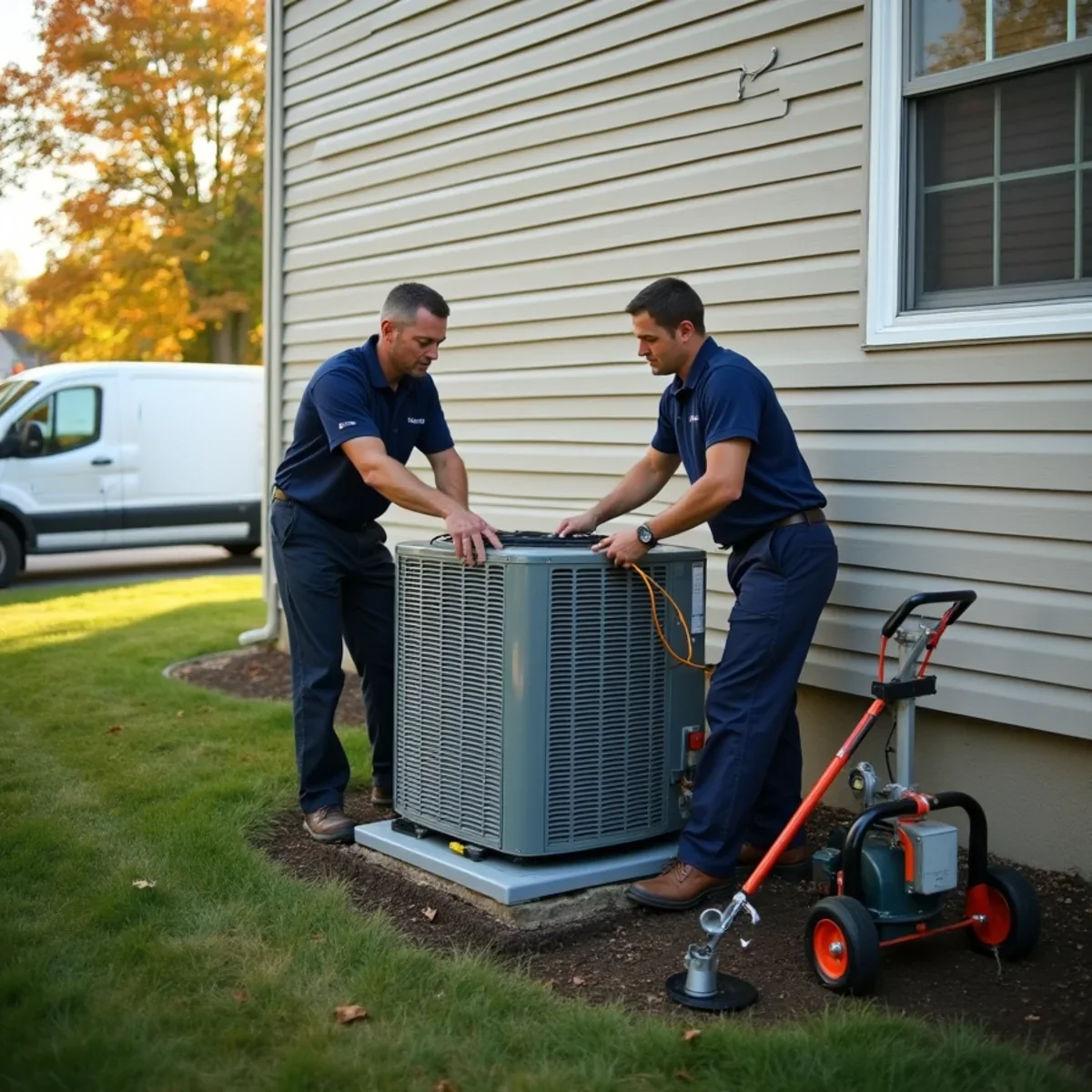
We pull the required mechanical permit, remove and responsibly dispose of the old equipment, recover refrigerant under EPA 608 rules, and install the new system with floor protection throughout.
- 5
Startup, testing and inspection
We verify gas pressure, refrigerant charge, temperature rise and static pressure, register the warranty, walk you through the thermostat and schedule any required municipal inspection.
What Affects the Cost of HVAC Replacement
We quote every job individually after seeing the home. These factors shape the final number.
- Equipment efficiency
- Higher SEER2 cooling ratings and higher AFUE furnace ratings cost more up front and less every month after.
- Single-stage vs. two-stage or variable-speed
- Staged and variable-speed equipment runs longer at lower output, improving comfort and dehumidification at a higher initial cost.
- Furnace and AC vs. heat pump or dual fuel
- Pairing a heat pump with a gas furnace changes the equipment list and the long-term operating cost.
- Ductwork and venting changes
- Undersized returns, leaky ducts or a switch from chimney venting to PVC may need to be corrected for the new system to perform.
- Electrical and line-set updates
- Some homes need a new disconnect, circuit or refrigerant line set, especially when the old lines are undersized for current equipment.
- Rebates, credits and financing
- Ask us about current utility and manufacturer rebates for your equipment choice; the federal 25C home improvement credit ended for systems installed after December 31, 2025. Financing is available on approved credit.
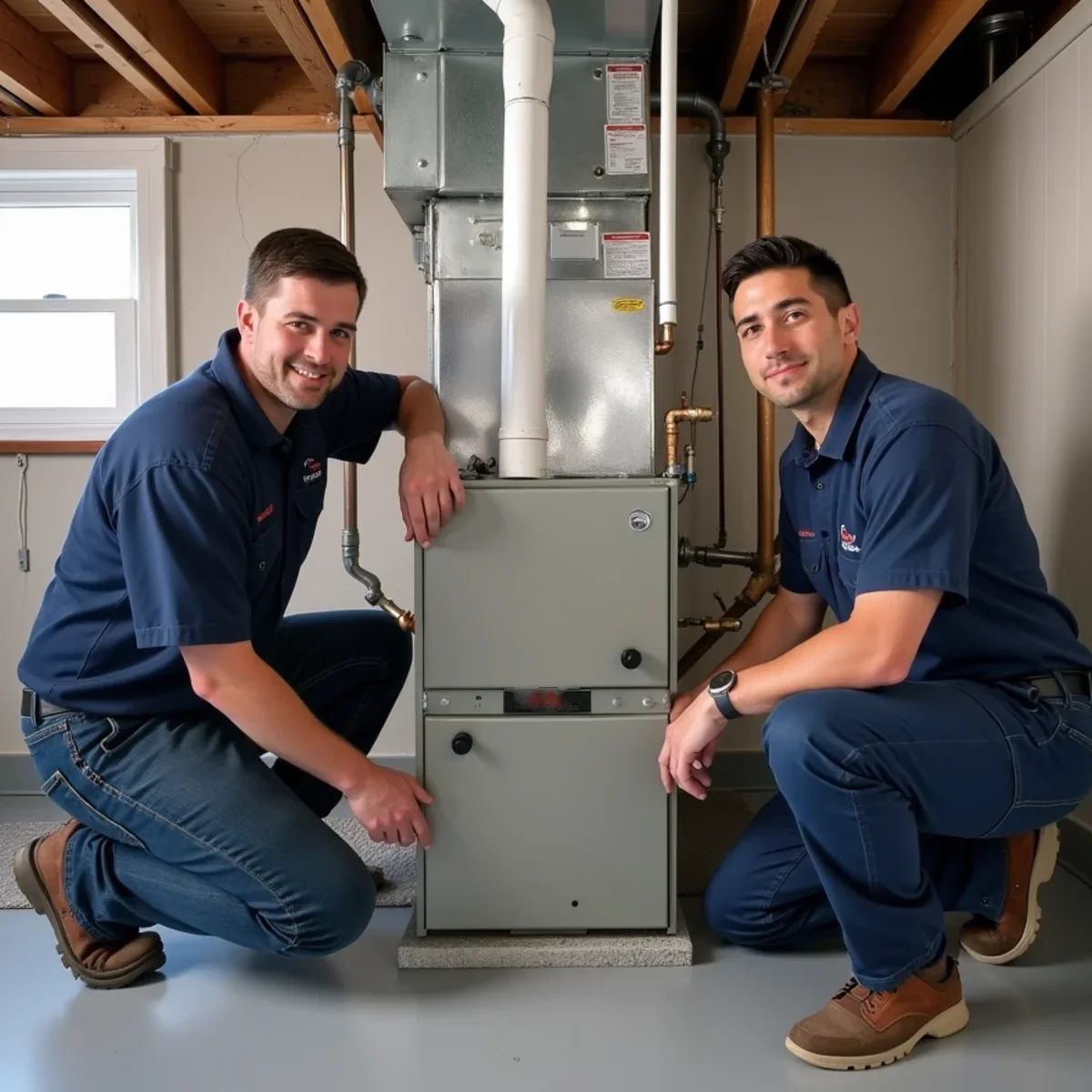
Understanding SEER2, AFUE and Matched Systems
SEER2 measures cooling efficiency under updated federal test conditions that better reflect real ductwork. AFUE measures how much of the gas a furnace burns ends up as heat in your home. A mid-efficiency furnace vents through the chimney; a high-efficiency model is a condensing furnace that vents through PVC pipe and drains condensate.
A matched system means the outdoor unit, indoor coil and furnace or air handler are designed and rated to work together. Mixing a new condenser with an old coil can cost you efficiency and create warranty problems, which is why we quote complete systems.
The Refrigerant Transition
New residential air conditioners and heat pumps are moving to lower-global-warming-potential refrigerants such as R-454B, replacing R-410A. That affects which coils and condensers can be paired together and why we recommend replacing indoor and outdoor components at the same time. We will explain which refrigerant your proposed system uses and what that means for future service.
How Long Does a Replacement Take?
A straightforward furnace and air conditioner change-out typically takes a full day. Jobs that add ductwork, reroute venting or convert to a heat pump can take longer. Before we start, you will know the schedule and whether you will be without heat or cooling for part of the day.
If you are weighing a single component, our pages on furnace installation and air conditioner replacement go deeper. For rooms the ducts never reached, a ductless mini-split can be added during the same project. We install in Springboro, Miamisburg, Centerville and throughout the surrounding area.
Planning a Replacement: Equipment Fit, Duct Decisions and the First Weeks After
The quote gets the attention, but the long-term result depends on three quieter questions: which type of system suits this particular house, whether the existing ducts can carry what the new equipment delivers, and how the system is set up and checked once it runs. This section covers each one the way we explain it at the kitchen table.
Matching the system type to the house
| Choice | Usually the right fit when | Tradeoff to understand |
|---|---|---|
| 80% AFUE furnace | An existing lined chimney is in good shape and a PVC vent route would be hard | Lower first cost, but a meaningful share of the gas goes up the flue |
| 95%+ AFUE condensing furnace | Most basements and utility closets with a sidewall or roof path for PVC | Needs a condensate drain and sometimes a chimney liner for the water heater left behind |
| Single-stage AC or heat pump | Compact homes with one level and simple duct runs | Simple and reliable, but cycles at full output even on mild days |
| Two-stage or variable-speed | Two-story homes with hot upstairs rooms or muggy summers | Longer, quieter run times and better moisture removal; more electronics to service |
| Dual fuel (heat pump plus gas furnace) | Homeowners who want electric heat in shoulder seasons and gas on bitter nights | Two heat sources to maintain; the switchover temperature must be set thoughtfully |
If you are torn between electric and gas heat, our comparison of a heat pump vs. a gas furnace in Ohio walks through operating differences in a southwest Ohio winter. For budgeting, the breakdown of HVAC replacement cost in Dayton explains which line items move a quote.
Keep, fix or replace the ductwork
Most replacements reuse the existing ducts, and that is fine when they are sealed, sized reasonably and in sound condition. We measure before deciding. These findings push us to recommend duct changes along with the equipment:
- Total external static pressure above what the new blower is rated for, which starves airflow and shortens motor life.
- A single small return for a whole floor, common in 1950s and 1960s ranches and in homes where a basement was finished later.
- Panned joist bays used as returns that leak basement air into the system and pull dust through the house.
- Crushed, kinked or disconnected flex duct in attics over upstairs bedrooms in newer two-story homes.
- Old duct insulation or tape that may contain asbestos; we leave that material undisturbed and point you to a qualified abatement contractor before any duct work nearby.
Dirty but otherwise sound ducts do not need replacement; a separate air duct cleaning visit handles that when debris or construction dust is the actual complaint.
How to prepare for installation day
- Clear a path from the door to the furnace and to the outdoor unit, including stored boxes and bikes near the basement stairs.
- Plan for pets to stay in a closed room; doors will open and close all day.
- Expect gas and power to the equipment to be shut off for several hours, and the water heater relit if it shares a vent that changes.
- Leave the thermostat accessible; many replacements include a new one wired for staging or a heat pump.
- Save time at the end for the walk-through so you know the filter size, the condensate route and how the thermostat schedules work.
The first weeks after a new system
A few things surprise people. The first heating cycle can produce a faint hot smell as manufacturing oils burn off the new heat exchanger; it fades within a few runs. Condensing furnaces drip water from the PVC exhaust and send it down a drain line, which is normal. Two-stage and variable-speed equipment runs longer and softer than the old unit, so a system that seems to run constantly is often doing exactly what it was designed to do.
Call us back if a breaker trips, the condensate pump runs continuously or water appears under the furnace, a room that was comfortable before is now noticeably off, or the thermostat shows an error code. Check the new filter after the first month; construction dust stirred up during installation can load it faster than usual. Owners of homes built in the early 2000s often find that the second system in the house needs different choices than the first, which our article on Springboro HVAC replacement age discusses.
Why choose Comfort Air Solutions for HVAC system replacement
Real choices, quoted on the spot
Reviewers regularly mention getting several price-point options during the visit with no hidden costs added later. The quote is free and there is no pressure to sign that day.
The owner checks the work
Kevin Turner has more than 23 years in HVAC and still stops by installs. That extra set of eyes is part of why replacements are done right the first time.
Factory-authorized Bryant® dealer
We install Bryant furnaces, air conditioners and heat pumps built for Ohio winters and muggy summers, and we keep servicing them for years after installation.
Financing and ongoing care
Financing is available with approved credit, and joining our Comfort Air Fan Club after install keeps spring and fall tune-ups on the calendar with priority service when you need it.
System Replacement near Miamisburg
Replacement requests peak in neighborhoods where the original equipment is reaching the end of its run. The 1990s and early-2000s subdivisions of Springboro and Centerville are full of first-generation systems now past 20 years. In Kettering and West Carrollton, we often replace a second or third furnace in a mid-century ranch and fix the undersized return that wore out the last one. Closer to home, we quote full systems in Miamisburg every week, and we travel into Franklin and the rest of the I-75 corridor.
We provide system replacement from our Miamisburg shop throughout the southern Dayton suburbs, including:
- West Carrollton, OH
- Moraine, OH
- Springboro, OH
- Germantown, OH
- Kettering, OH
- Centerville, OH
- Dayton, OH
- Franklin, OH
- Carlisle, OH