Quick answer
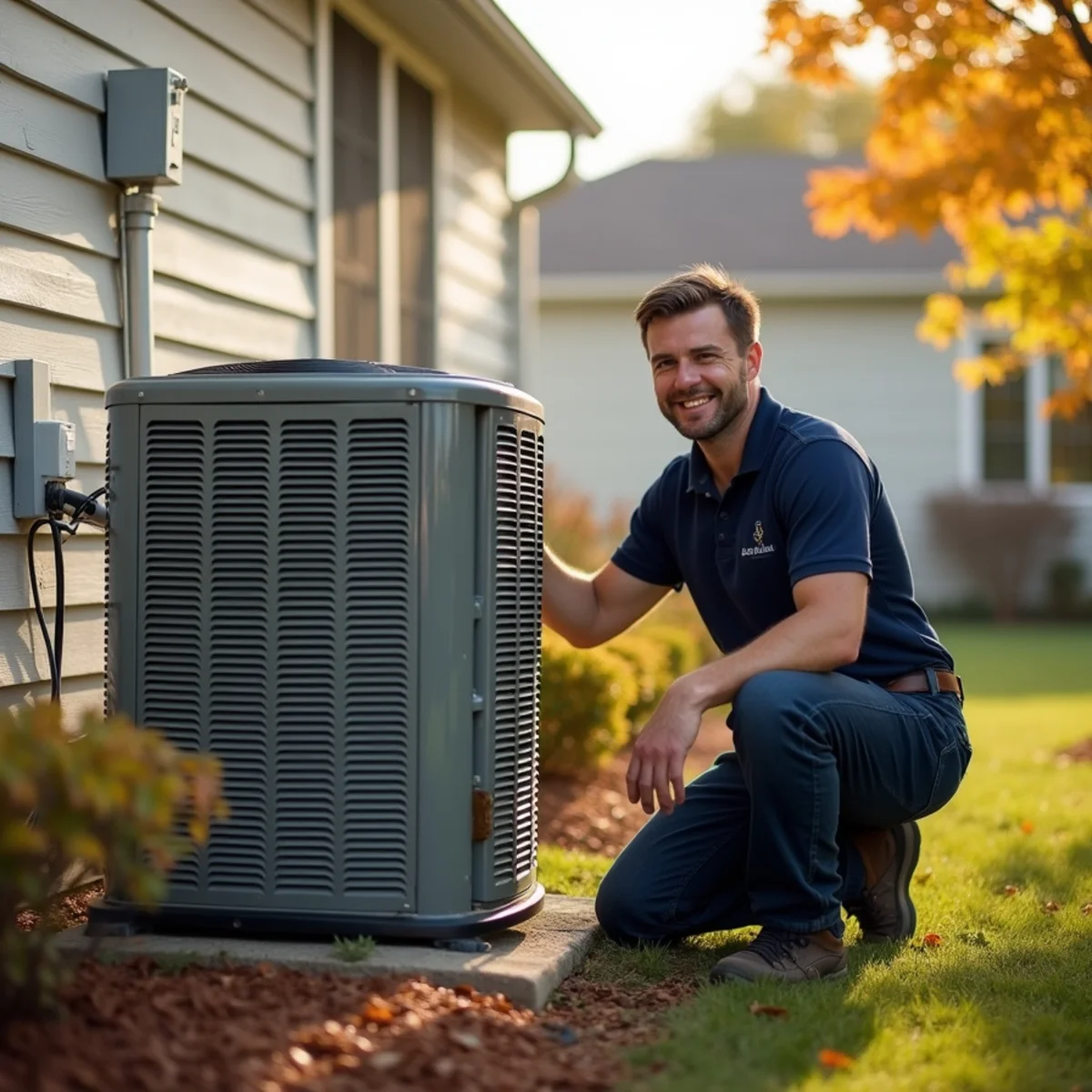
For AC repair in Miamisburg, OH, Comfort Air Solutions sends a technician who checks power, airflow and refrigerant readings before naming a fault, then gives you the repair price in writing before any work starts. We fix every brand of central air and heat pump, and common failures like a dead capacitor or burnt contactor are often fixed on the first visit when the part is on the truck.
Southwest Ohio summers are as much about moisture as heat. A working air conditioner should pull the house down to temperature and wring water out of the air at the same time, which is why a unit that merely blows cool can still leave you uncomfortable.
Comfort Air Solutions repairs central air conditioners and heat pumps of every make, and we install new Bryant® cooling systems as a factory-authorized dealer. Reviewers regularly mention techs arriving within 30 to 40 minutes on no-AC calls, and that someone actually picks up the phone. For after-hours breakdowns, our emergency AC repair line stays open around the clock.
Common Air Conditioner Problems We Fix
Outdoor fan not spinning
A failed run capacitor or burnt contactor is the single most common summer call. The compressor may hum and overheat without the fan moving air across the coil.
Warm air from the vents
Low refrigerant from a leak, a tripped high-pressure switch, or a dirty condenser coil choked with cottonwood fuzz can all stop cooling while the blower keeps running.
Ice on the indoor coil or suction line
Frozen lines usually mean airflow is too low or charge is off. Turn the system to fan-only and let it thaw before calling so the tech can diagnose it properly.
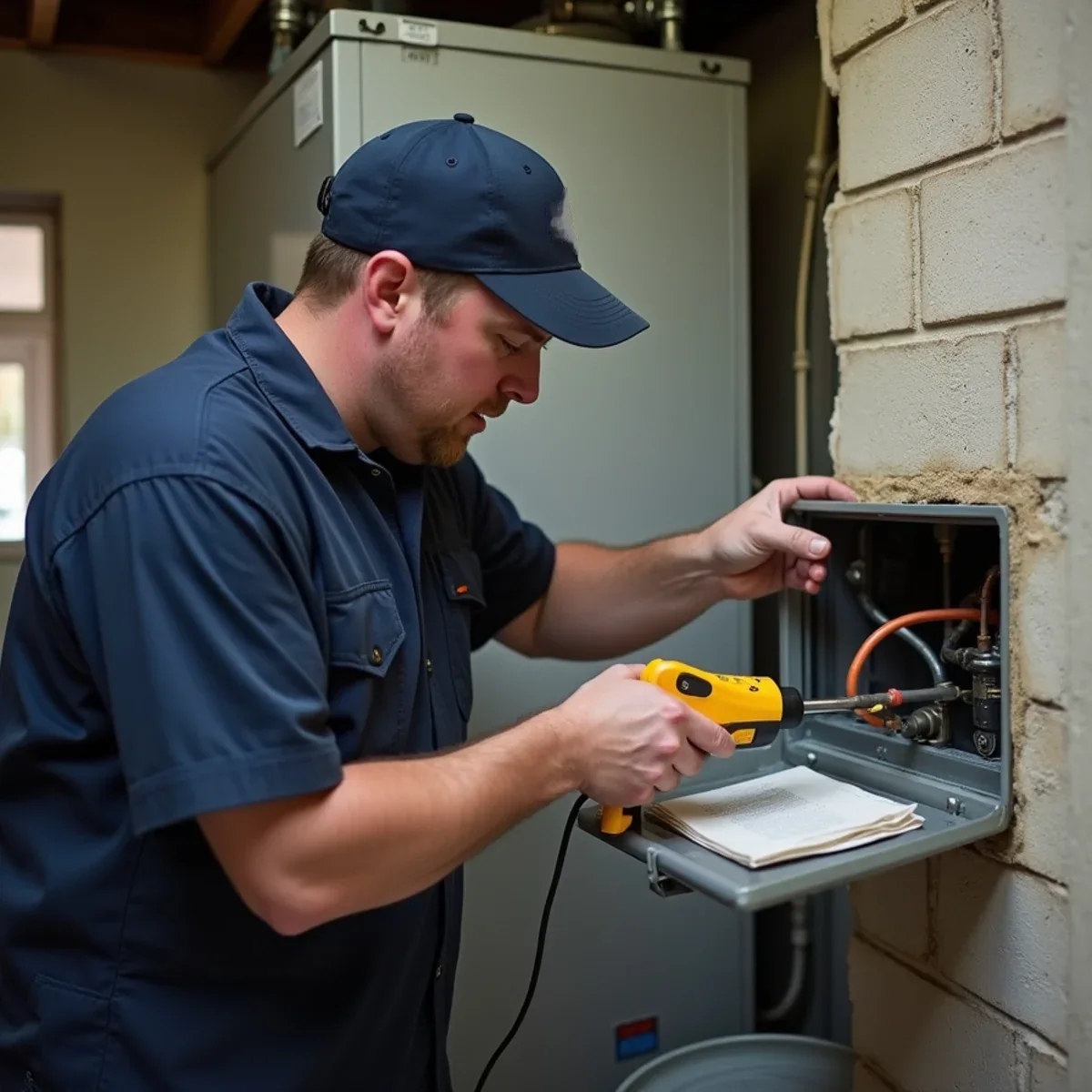
Water around the furnace
A clogged condensate line or cracked drain pan sends water onto the basement floor. Many systems have a float switch that shuts cooling down to prevent damage.
System runs constantly on mild days
An undersized unit, leaky supply ducts in an attic, or a failing compressor valve can keep the AC running without ever reaching setpoint.
Clicking, buzzing or grinding
Electrical chatter points to relays and contactors, while grinding often means a worn condenser fan motor bearing. Shut the unit off before it takes the compressor with it.
Seeing one of these signs?
Call now — we dispatch fast and give you written options before any work.
What Every AC Repair Visit Includes
A cooling call is more than a part swap. Before the tech leaves, you should have all of the following.
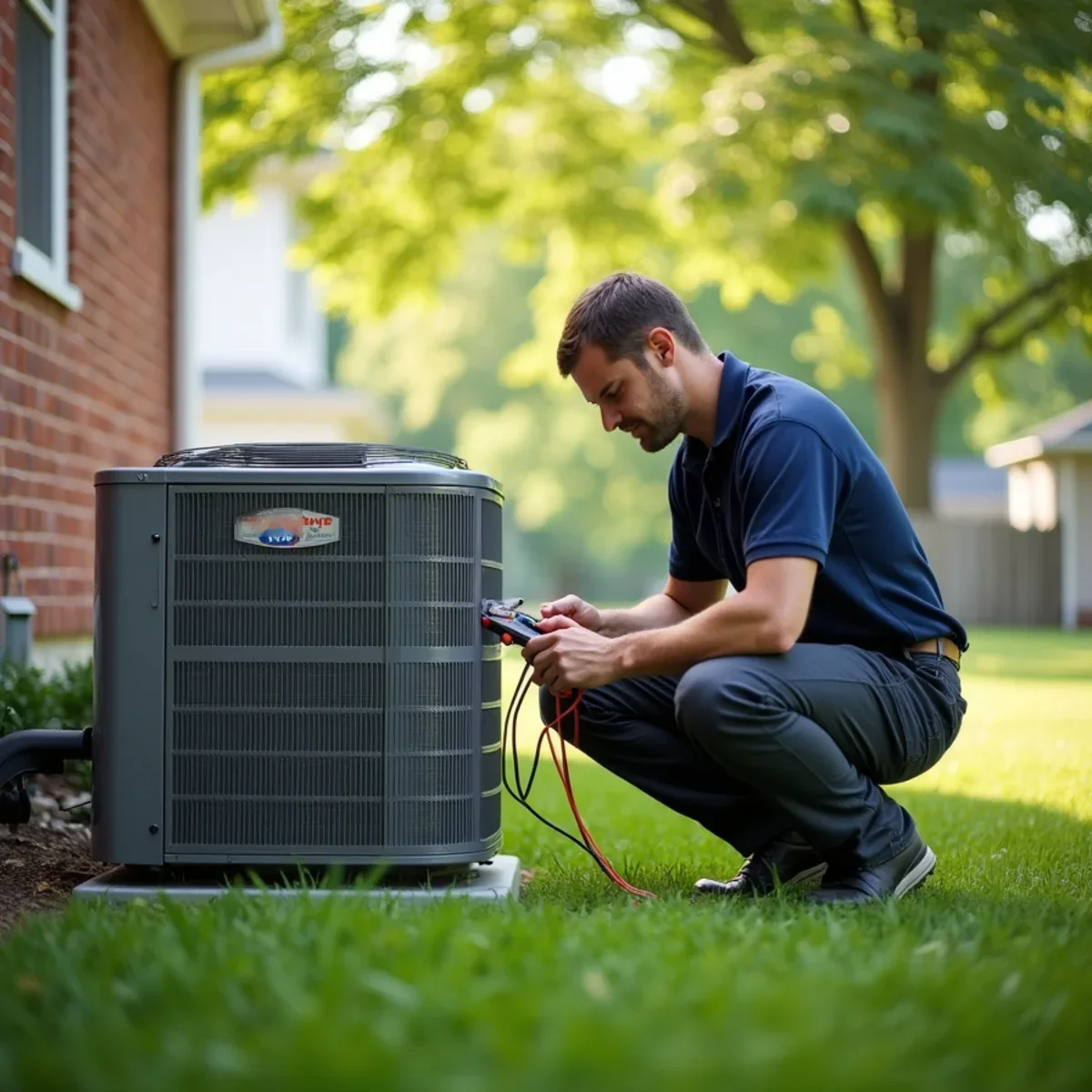
Electrical checks with a meter
Voltage at the disconnect, capacitor microfarads compared against the label, and contactor points inspected for pitting or burn marks.
Superheat and subcooling readings
Actual refrigerant numbers recorded on your ticket, so charge problems are proven rather than assumed from how cold a line feels.
Temperature split and static pressure
Return and supply temperatures plus a static reading show whether the blower, filter and ducts are giving the coil enough air.
Condensate line and float switch check
We clear the drain and confirm the safety switch trips, since a backed-up line is what floods finished basements in July.
Outdoor coil inspection
Cottonwood, grass clippings and dryer lint get cleared from the condenser fins so the unit can reject heat properly.
A written repair-or-replace comparison
If the unit is older or on R-22, you get both numbers on paper and a plain explanation of the tradeoff.
Our AC Repair Process
- 1
Check power and controls first
We confirm voltage at the disconnect, test the thermostat call, and inspect the contactor and capacitor with a meter, not just a glance.
- 2
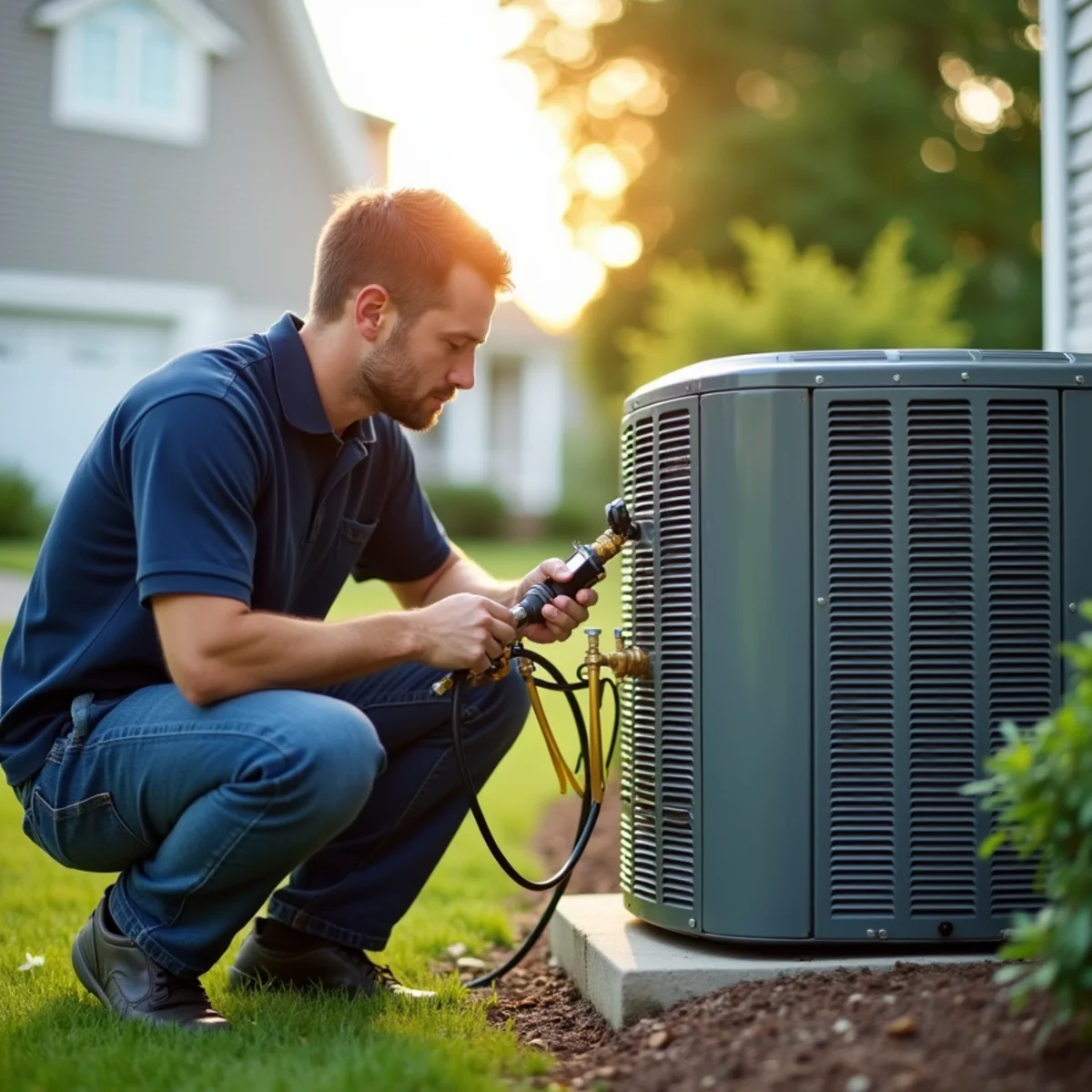
Measure refrigerant performance
Gauges or digital probes give us superheat and subcooling, which tell us whether charge, metering device or airflow is the problem. Refrigerant is only handled by EPA 608 certified techs.
- 3
Verify airflow and static pressure
A dirty filter, blocked return or collapsed duct shows up on a static pressure test. We fix airflow problems before blaming the refrigerant side.
- 4
Leak search when charge is low
Adding refrigerant without finding the leak just delays the next breakdown. We use electronic detection and bubble testing at coils, flare fittings and service valves.
- 5
Clear options and a clean finish
You get the repair cost, and if the unit is near the end of its life, a comparison with replacement. We clean the condensate line and coil area before we leave.
What Affects AC Repair and Replacement Cost
Every quote we write is specific to your equipment and home. Here is what actually drives the number.
- Refrigerant type
- Older units running R-22 require reclaimed refrigerant that is scarce. Newer R-410A and R-454B systems use different parts and procedures.
- Which component failed
- Capacitors and contactors are modest repairs. Compressors, evaporator coils and outdoor coils are major components with larger parts and labor time.
- Warranty status
- Registered equipment may still have manufacturer parts coverage, which lowers repair cost. We check the serial number for you.
- System size and efficiency
- Tonnage from the load calculation and the SEER2 rating you choose set the baseline for any new installation.
- Matching the indoor coil
- A new condenser needs a matched evaporator coil, and sometimes a new line set, to perform as rated and keep its warranty.
- Electrical and pad work
- Updated disconnects, whips, breakers or a new equipment pad add to installation scope in some homes.
SEER2 Ratings and Why Sizing Matters More
Since 2023, air conditioners are rated in SEER2, a stricter test that better reflects real duct systems. Higher numbers mean lower operating cost, and two-stage or variable-speed units add better humidity control on the long, muggy days common in the Miami Valley.
Efficiency only pays off if the system is sized correctly. An oversized unit cools the air quickly, shuts off before it removes moisture, and short cycles itself into an early grave. We size new systems with a Manual J load calculation that accounts for insulation, windows, orientation and air leakage. Our guide to sizing an AC for a Miamisburg home goes deeper on this.
R-22, R-410A and the R-454B Transition
If your condenser was installed before about 2010, it may run on R-22, which is no longer produced. Repairs that need refrigerant get costlier every season, and a major leak on an R-22 system is often the moment to plan replacement.
R-410A equipment is still widely serviced, but under the federal HFC phase-down, new residential systems are moving to lower-impact refrigerants such as R-454B. These are mildly flammable, so they require updated tools, leak detection and installation practices. We will explain which refrigerant your current system uses and what that means for repair versus complete HVAC system replacement.
Keep It Running Longer
Most breakdowns we see in July started as a dirty coil or weak capacitor in April. A spring AC tune-up catches them early. Homeowners in Kettering, Centerville and Miamisburg who stay on a maintenance schedule call us far less often in a heat wave.
How Our Technicians Diagnose an Air Conditioner
An AC that is not cooling can have a dozen causes that look identical from the living room. The only reliable way to separate them is to read the system: electrical values at the condenser, refrigerant pressures and temperatures at the service valves, and air temperatures and pressures at the furnace. Here is how those readings point to a specific repair.
Symptom, cause, test and fix
| Complaint at the thermostat | Usual culprit | Readings that confirm it | Repair that normally follows |
|---|---|---|---|
| Compressor hums, then clicks off | Weak start or run capacitor, or a compressor struggling to start against high pressure | Capacitor microfarads against the label, compressor amps at startup, winding resistance | Replace the capacitor; add a hard-start kit if the compressor is healthy but slow to start |
| Condenser runs, but no air inside | Failed blower motor, blower capacitor or control board relay | Blower voltage, motor amps, capacitor value, board output | Replace the failed motor, capacitor or board |
| Breaker trips when the AC starts | Shorted or grounded compressor winding, or a failing fan motor | Insulation resistance to ground and amp draw compared with the compressor's RLA rating | Motor replacement, or a compressor conversation if the winding is grounded |
| Weak cooling, long run times | Refrigerant undercharge from a leak | High superheat with low subcooling, then an electronic leak search | Locate and repair the leak, evacuate, weigh in the correct charge |
| Cool air but the coil sweats and ices | Restriction at the metering device or filter drier | High superheat with normal-to-high subcooling, temperature drop across the drier | Replace the TXV or drier after recovering the charge |
| Thermostat goes blank in summer | Blown low-voltage fuse from a shorted thermostat wire or a tripped float switch | Control-board fuse, wire insulation outdoors, condensate float position | Repair the damaged wire or clear the drain, then replace the fuse |
What healthy readings look like, in plain English
You do not need gauges to understand what a technician is measuring. Each number answers a simple question about how the system is behaving.
- Temperature split: the difference between air going into the return and air leaving the supply. On a typical humid Ohio afternoon a properly working system usually lands somewhere around 15 to 20 degrees. Much less points to a charge or airflow problem.
- Superheat and subcooling: how far the refrigerant has warmed past boiling in the indoor coil, and how far it has cooled below condensing in the outdoor coil. Together they show whether the charge is low, high or blocked somewhere. Systems with a TXV are charged to the manufacturer's subcooling target, not by feel.
- Amp draw versus RLA: the compressor's rated load amps are printed on the data plate. A compressor running well above that number is working too hard; one running far below may not be pumping.
- Capacitor value: a capacitor reading below the tolerance printed on its label is on its way out, even if the unit still starts today.
- Total external static pressure: how hard the blower has to push through the filter, coil and ducts. High static starves the coil of air, which reduces capacity and can freeze the evaporator.
Why Miamisburg summers are hard on condensers
Late spring brings cottonwood fluff off the trees along the Great Miami River, and it mats onto condenser fins like felt. A coil that looks fine from a few feet away can be blocked on the inside face, raising head pressure and amp draw on the first hot week of June. We rinse coils from the inside out for exactly this reason.
Moisture is the other local factor. Muggy valley air means the indoor coil is pulling a lot of water, so a slow drain or a dirty trap causes more trouble here than in drier climates. Two-story homes in newer subdivisions add a third problem: long supply runs to hot upstairs bedrooms, sometimes through attic space that can top well over one hundred degrees in July. When you are dealing with a system that simply cannot catch up during a hot spell, our article on an AC that stops cooling during a Dayton heat wave walks through what is normal and what is not.
Habits that turn a small AC repair into a big one
- Running the system while the suction line is iced. Liquid refrigerant can flood back to the compressor and damage it.
- Resetting a tripped breaker over and over. A breaker that trips twice is telling you something is shorted or overloaded.
- Paying for a refrigerant top-off every summer. Refrigerant does not get used up; a system that needs more each year has a leak.
- Closing registers in unused rooms. It raises static pressure and can freeze the coil rather than saving energy.
- Blasting the condenser with a pressure washer, which folds the aluminum fins flat and blocks airflow worse than dirt did.
After any repair, you should notice the outdoor fan and compressor starting together, a steady stream of cool air within a few minutes, and the house holding its setpoint through the afternoon. If a problem comes back, call us before it grows. Families in Miamisburg's neighbor Moraine and across the south suburbs also rely on our indoor air quality work when the AC is cooling fine but the house still feels clammy.
Why choose Comfort Air Solutions for AC repair
Real answers on the hottest nights
Our emergency line covers nights, weekends and holidays, and a person answers it. Reviewers mention that more than any other detail.
Every brand, one Bryant specialty
We are a factory-authorized Bryant® dealer for new cooling systems and repair Carrier, Trane, Lennox, Goodman, Rheem and the rest without hesitation.
Decades of summer calls behind each diagnosis
With 25+ years in HVAC, our team has seen the capacitor, coil and drain failures that Miami Valley humidity produces, and knows where to look first.
Fan Club members skip the diagnostic fee
Plan members get priority scheduling during heat waves, no diagnostic fee and a percentage off the repair itself.
AC Repair & Installation near Miamisburg
AC repair calls pile up fastest in the two-story subdivisions of Springboro and Centerville, where upstairs bedrooms fight afternoon sun and attic heat. Mid-century ranches in Kettering and West Carrollton bring a different mix, often older condensers still running R-22. We also cover Franklin, Germantown, Dayton and the rest of the Miami Valley from our Miamisburg shop, so a no-cooling call rarely waits on a long drive.
We provide ac repair & installation from our Miamisburg shop throughout the southern Dayton suburbs, including:
- West Carrollton, OH
- Moraine, OH
- Springboro, OH
- Germantown, OH
- Kettering, OH
- Centerville, OH
- Dayton, OH
- Franklin, OH
- Carlisle, OH