Quick answer
When your AC is not cooling in a heat wave, first shut it off if you see ice on the copper lines or hear the outdoor unit humming with a stopped fan. Then check the thermostat, both breakers, the filter and the condensate float switch, and rinse a matted condenser coil. If cooling still fails, call for emergency AC repair.
Warm air from the vents on a 95-degree afternoon is more than uncomfortable. These steps help you find the cause fast, protect the compressor and keep your family safe.
When your AC is not cooling and the forecast says upper 90s, the first move is to protect the equipment: if the outdoor unit is humming but the fan is not spinning, or you see ice on the copper lines, turn the thermostat to Off right away. Running a compressor that cannot move heat is how a repair turns into a replacement.
Then work through the checks below. Many heat-wave calls turn out to be a tripped breaker, a clogged filter or a full condensate pan, and those you can often sort out yourself.
Quick checks while the house is still bearable
- Thermostat: Set to Cool, fan on Auto, and at least three degrees below the room reading. Replace the batteries if the display is dim.
- Both breakers: A central system has two, one for the indoor furnace or air handler and a double-pole breaker for the outdoor condenser. Also check the disconnect box mounted near the outdoor unit.
- Air filter: A dirty filter starves the indoor coil of airflow and is the top cause of frozen coils in July.
- Condensate safety switch: Many systems have a float switch in the drain pan or line. If the pan is full, the switch cuts cooling to prevent a ceiling leak.
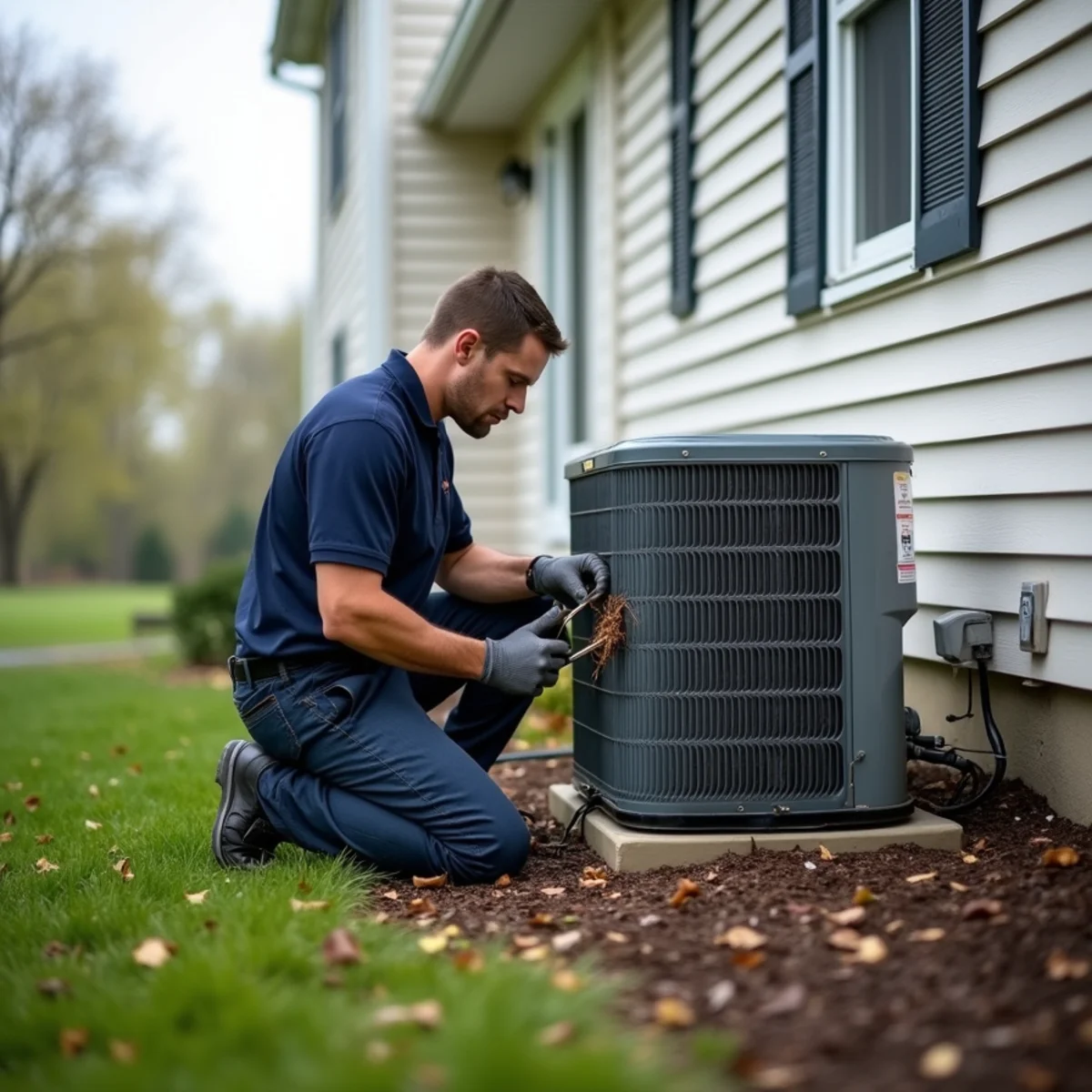
- Outdoor unit: Is the fan turning? Is the coil matted with cottonwood fluff or grass clippings? Is anything leaning against it?
What the outdoor unit is telling you
| Symptom | Most likely cause | What to do |
|---|---|---|
| Loud hum, fan not spinning | Failed run or dual capacitor | Turn system off and call |
| Completely silent, indoor blower runs | Burned contactor, tripped breaker or bad low-voltage wire | Check breaker once, then call |
| Fan runs, lines warm, air barely cool | Low refrigerant charge or failing compressor | Call for leak diagnosis |
| Runs, then clicks off every few minutes | High-pressure trip from a dirty coil or bad fan motor | Rinse coil gently, then call if it repeats |
| Ice on the larger copper line | Airflow problem or low charge | Thaw, change filter, call |
Why the hottest days break the most air conditioners
Capacitors cook in the sun
The run capacitor gives the compressor and fan motor the electrical kick they need to start. It sits inside a metal cabinet in direct sun, and heat is what wears it out. A weak capacitor may limp along in May, then fail on the first afternoon above 95. It is one of the most common summer repairs and usually a same-visit fix.
Contactors and pitted contacts
The contactor is the relay that switches the condenser on. Every cycle creates a tiny arc, and years of that pits the contact surfaces until they overheat or stick. Ants are also drawn to the electrical field and can jam the contacts shut.
Undersized or leaking systems run out of headroom
A system that is slightly low on refrigerant or sized too tight for the house can keep up on an 85-degree day. On a humid 97-degree afternoon it runs constantly and still loses ground. If your technician finds a leak, ask about the refrigerant. Older systems use R-410A, while new residential equipment made since 2025 uses lower-GWP refrigerants such as R-454B. R-410A can still be serviced, but a large leak on an aging system is a good moment to compare repair against a new air conditioning installation.
Staying safe until the repair
- Close blinds on south- and west-facing windows by late morning
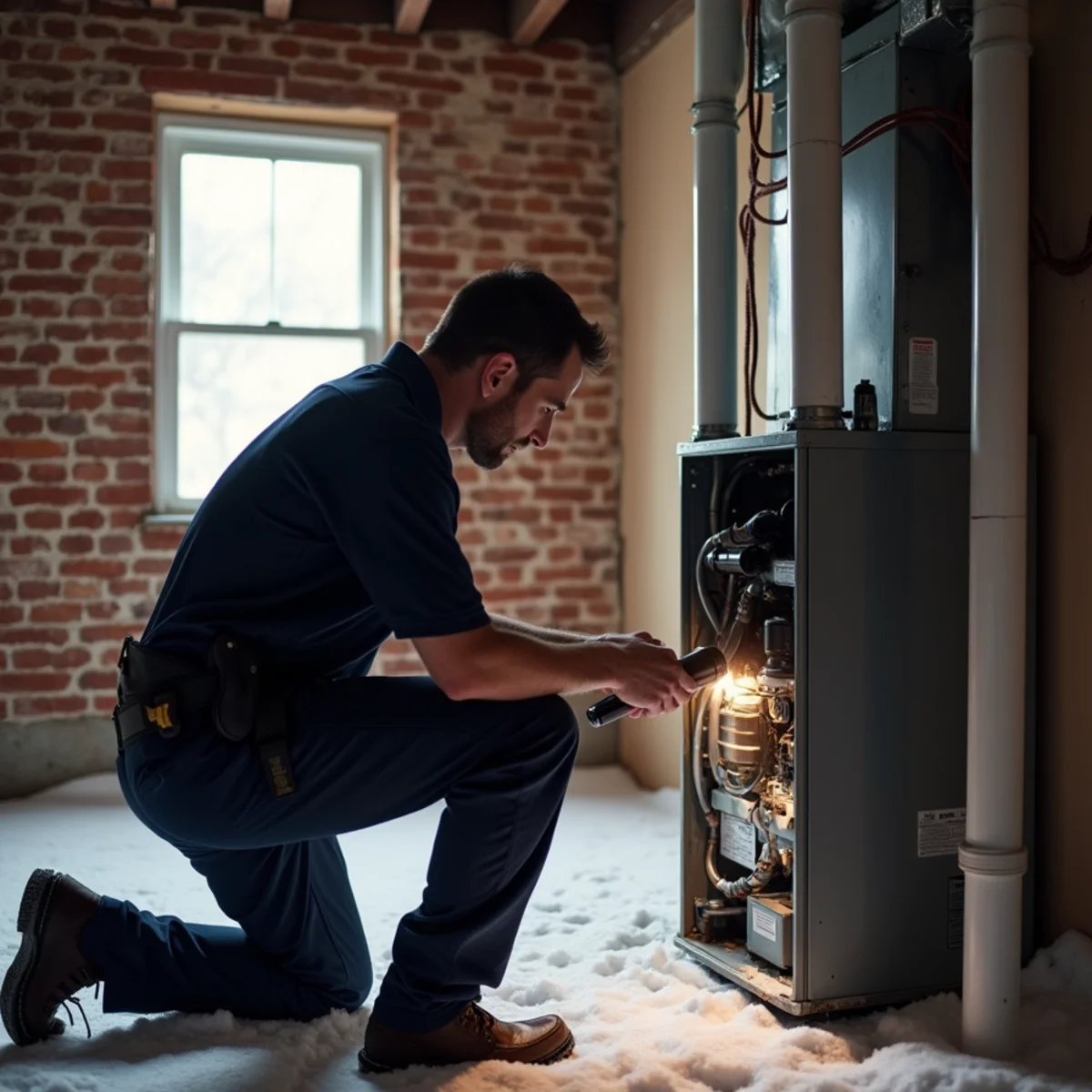
- Move to the lowest floor; basements in older Dayton homes often stay 15 to 20 degrees cooler
- Run ceiling fans counterclockwise and keep a box fan pulling air from shaded windows at night
- Check on older neighbors, infants and anyone with heart or lung conditions
- If indoor temperatures climb into the upper 80s, head to a library, mall or public cooling center
Heat exhaustion creeps up faster than people expect, especially upstairs in a two-story house in Centerville where bedrooms can run several degrees warmer than the first floor.
Getting cool air back on
During a heat wave, calls stack up fast, so it helps to have your system's model number and the symptoms ready when you phone. Our emergency AC repair techs carry capacitors, contactors, fan motors and float switches, and we cover homes throughout Dayton and the rest of Montgomery County.
Turn the system off if you see ice or hear a hum with no fan, then call our Miamisburg office. We will talk you through what you are seeing and get someone on the road.
How urgent is it? A heat-wave triage guide for a failed air conditioner
Not every warm-house call needs a technician at midnight, and not every one can wait until morning. The deciding factors are who lives in the house, how hot it is getting indoors, and whether the equipment is at risk of damaging itself. Use the table to sort your situation, then read the health section if anyone at home is elderly, very young, pregnant or managing a chronic illness.
Tonight, tomorrow morning or a fix you can do yourself
| Situation | Urgency | Why |
|---|---|---|
| Burning smell, smoke, or a breaker that trips again after one reset | Now: shut off power and call | Electrical faults can escalate into a fire, not just a failed part |
| No cooling and someone vulnerable is at home, indoor temperature rising into the upper 80s | Same day or overnight | The health risk outweighs the cost of an after-hours visit |
| Outdoor unit hums with the fan stopped | Same day, system off until then | The compressor overheats within minutes without airflow |
| Ice on lines, house still tolerable | Thaw now, service next day if it refreezes | Usually airflow or charge; the thaw buys time |
| Cooling works but cannot hold setpoint in late afternoon | Schedule a visit | Often a dirty coil, a sizing gap or attic duct losses |
| Tripped float switch, clean drain | Homeowner fix | Clear the line and reset; call if it trips again |
Warning signs of heat illness while you wait
The CDC separates heat exhaustion, which is serious, from heat stroke, which is a medical emergency. Watch for these and act on them before worrying about the air conditioner:
- Heat exhaustion: heavy sweating, cold or clammy skin, a fast weak pulse, nausea, muscle cramps, dizziness, headache or fainting. Move to a cooler place, loosen clothing, sip water and use cool, wet cloths.
- Heat stroke: a body temperature of 103°F or higher, hot red skin that may be dry or damp, a strong rapid pulse, confusion or loss of consciousness. Call 911 right away and cool the person while you wait.
- Higher-risk people: older adults, infants and young children, people with heart or lung disease, and anyone on medications that affect sweating or hydration.
- Pets: dogs and cats left in a closed house on an upper floor are exposed too; bring them to the basement or take them with you.
Montgomery County typically opens cooling centers during extended heat advisories, and public libraries serve as cool places during open hours. Leaving for a few hours is a reasonable call, not an overreaction.
Why Miami Valley heat waves are hard on equipment
Our summers pair high temperatures with high humidity carried up the Great Miami River valley, so an air conditioner spends much of its effort wringing moisture out of the air instead of dropping the temperature. Warm nights in built-up parts of Dayton mean the system never gets a recovery period. Add a condenser coil coated with June cottonwood, and head pressure climbs until a weak capacitor or tired fan motor quits. Most of those failures show early signs during a spring AC tune-up, which is the cheapest time to find them.
Houses where the system has always struggled on the hottest days may have a sizing problem rather than a repair problem. Our guide to how AC sizing is calculated explains the difference between a unit that is too small and ductwork that cannot deliver what the unit makes.
What to have ready when you call
- The brand and model number from the outdoor unit data plate, photographed if the sun makes it hard to read.
- What you observed: fan spinning or not, humming, clicking, ice, water, or silence.
- Whether a breaker tripped and how many times you reset it.
- The indoor temperature now and how fast it has been rising.
- Anyone at home who is at higher risk from heat, so dispatch can prioritize.
- Any recent work, such as a new thermostat, electrical work or landscaping near the condenser.
That information lets a technician bring the likely parts on the first trip. Across Kettering, Dayton and the south suburbs, a first-visit fix is the norm when the call includes those details.
From our technicians
What we see on Dayton heat-wave calls, and the mistakes that make them worse
When a string of 95-degree days hits the Miami Valley, the call board fills with the same few problems. A swollen or weak run capacitor is at the top of the list, and you can often see it: the top of the metal can is domed instead of flat. Right behind it are contactors with burned, pitted points and condenser coils so packed with cottonwood and dryer lint that the unit trips on high pressure every afternoon.
The mistake we see most is people dropping the thermostat to 65 because the house is at 80. The system does not cool any faster, it just runs longer, and on a marginal system that extra runtime with a dirty filter is exactly what freezes the indoor coil. Setting it around 76 to 78 and letting it hold that number is easier on the equipment and usually more comfortable by evening.
The second mistake is restarting an iced-up system too soon. If the coil is still frozen, you get water in the drain pan faster than the line can move it, and the float switch shuts everything down again, sometimes after a ceiling stain upstairs.
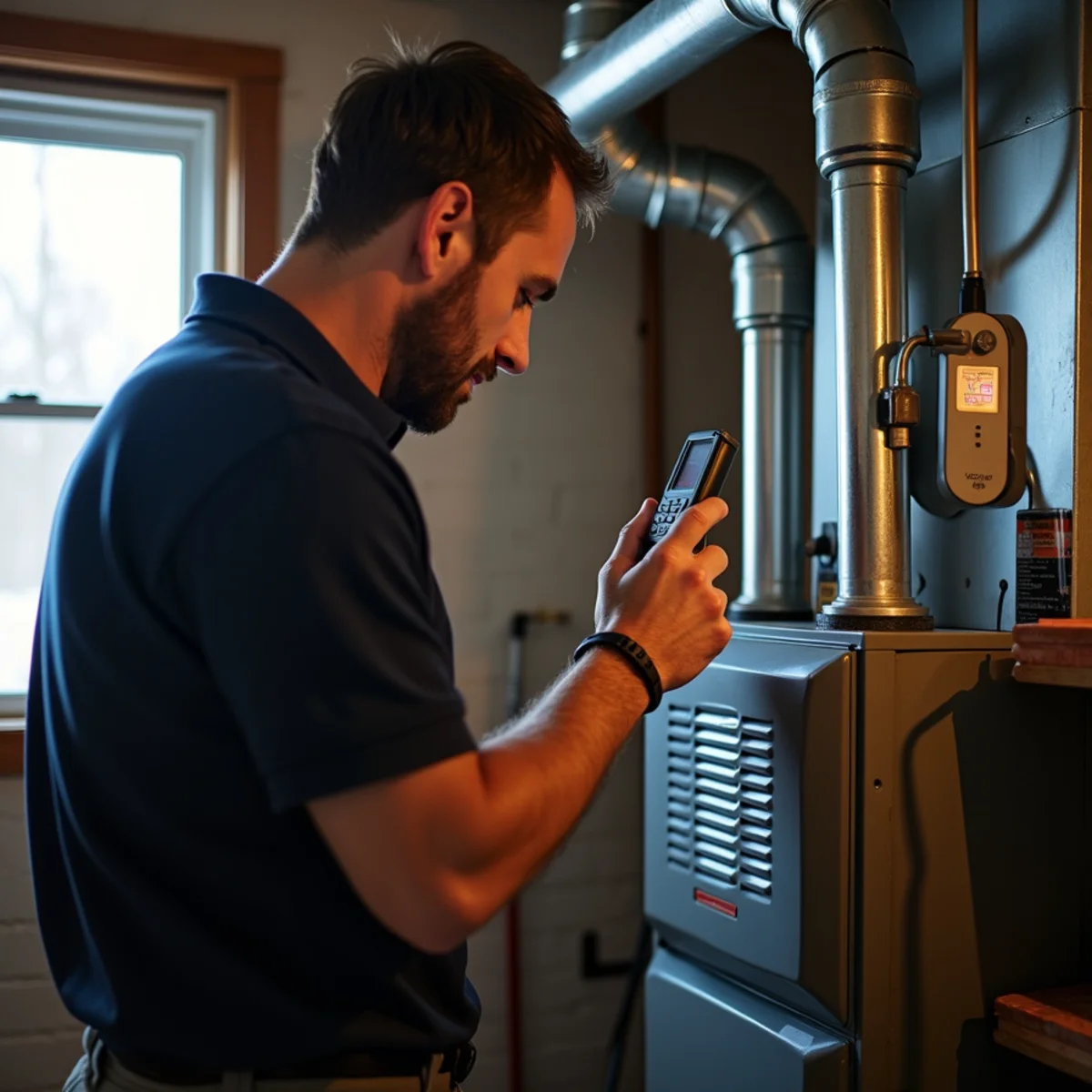
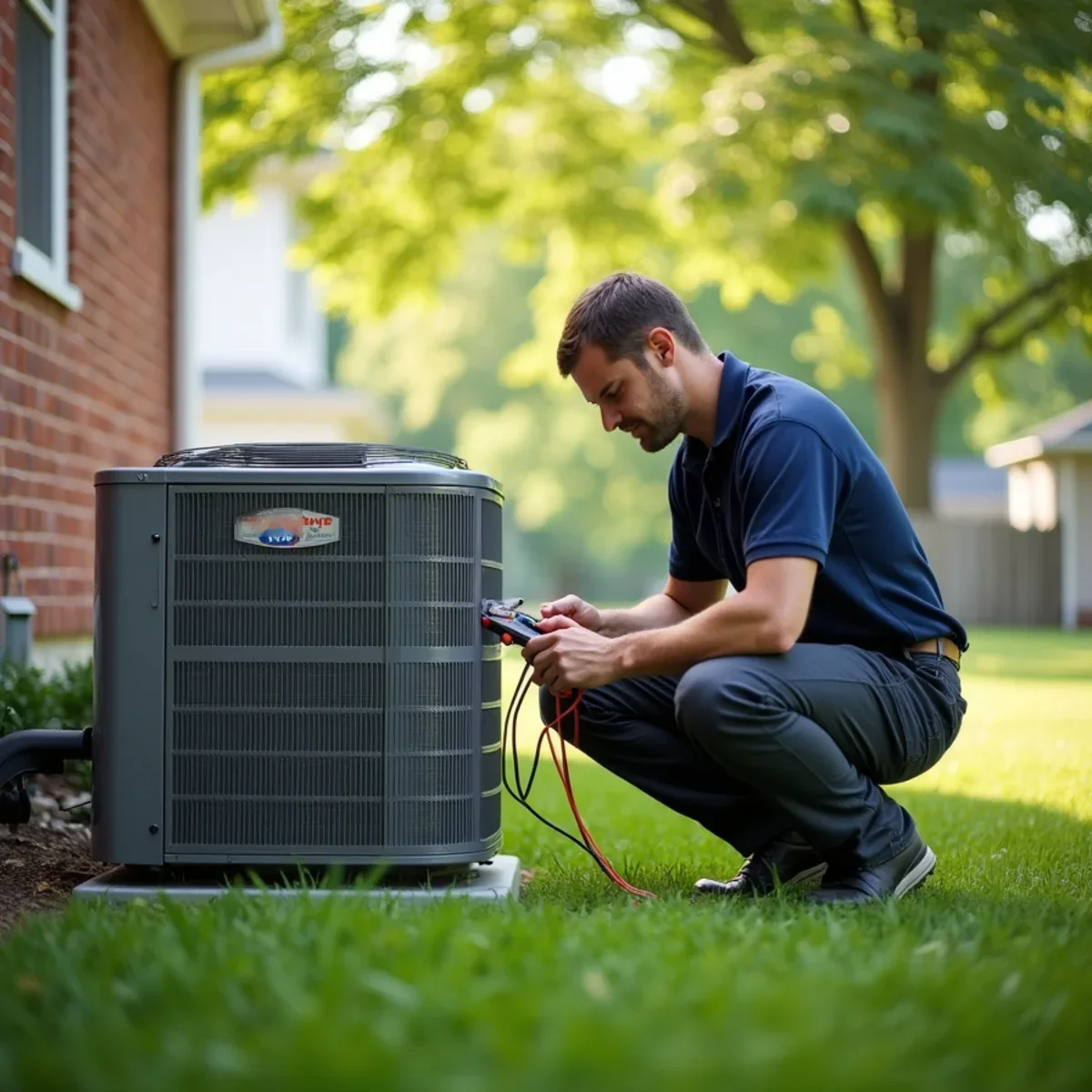
On arrival, our technicians measure the temperature split across the coil, amp-draw on the compressor and fan motor, and refrigerant pressures before replacing anything. A low charge gets a leak search, not a quiet top-off. Topping off a leaking system just means paying for refrigerant twice before the next heat wave.
Want a technician to take a look?
Comfort Air Solutions serves Miamisburg, Dayton and the Miami Valley — 24/7 emergency service.
- 4.8★ · 32 Google reviews
- 25+ years’ experience
- Written options before work
- Factory-Authorized Bryant® Dealer