Quick answer
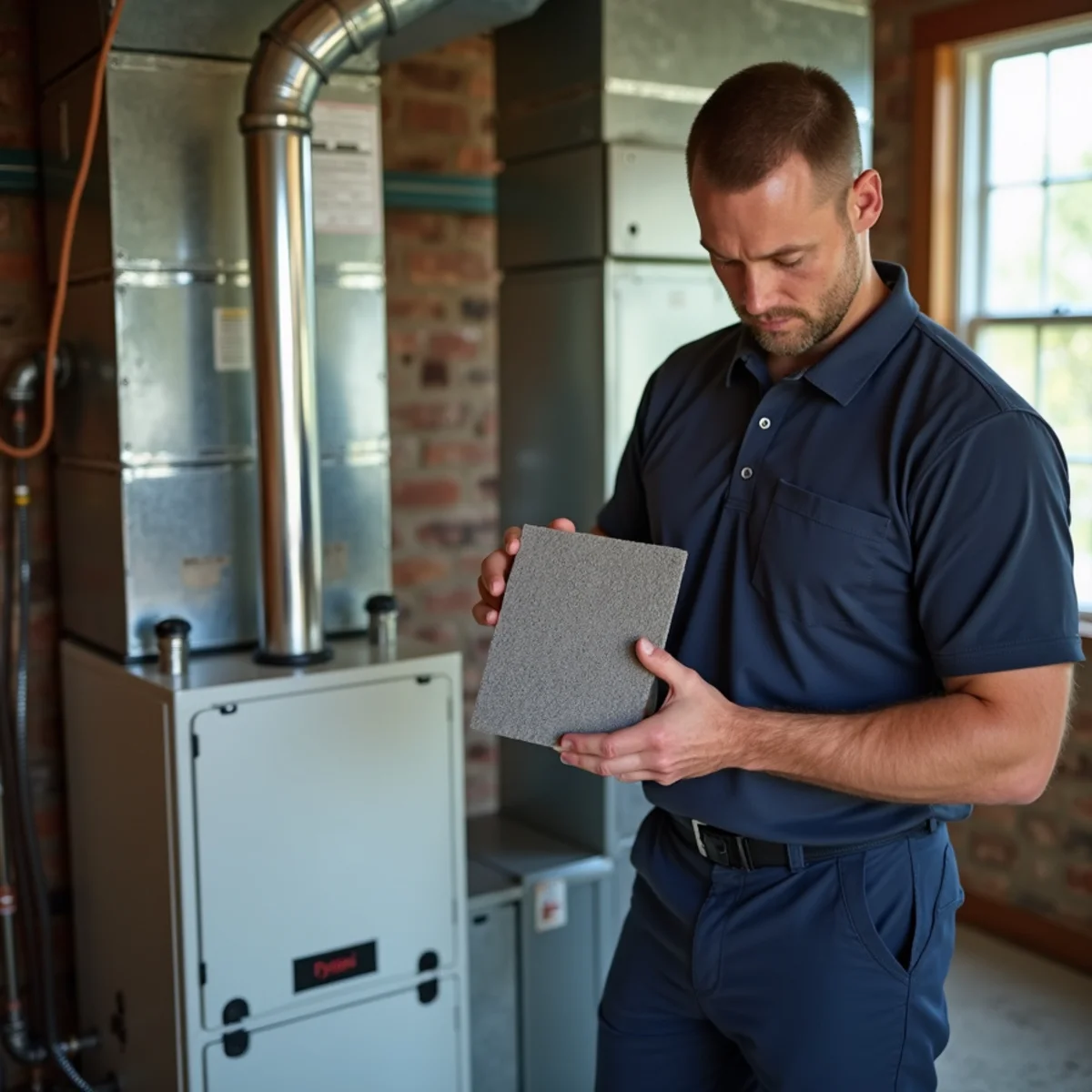
A fall furnace tune up in Ohio is a September or early October safety and performance visit. The technician runs a combustion analysis, inspects the heat exchanger, cleans the flame sensor and burners, tests the ignitor, inducer, pressure and limit switches, checks venting and gas joints, and measures carbon monoxide before heavy winter use begins.
What a thorough fall furnace check-up should include in Ohio, from combustion analysis and heat exchanger inspection to flame sensors and CO testing, plus what you can do yourself.
Short answer: a fall furnace tune-up in Ohio should include a combustion analysis, a heat exchanger inspection, flame sensor cleaning, checks on the ignitor, inducer motor and pressure switch, a flue and venting inspection, and a carbon monoxide test. Book it in September or early October, before the first cold night sends everyone to their thermostat on the same morning.
Many of the no-heat calls we answer in January trace back to parts that were visibly worn in the fall. Here is what a proper furnace maintenance visit looks like from the technician's side of the cabinet.
Safety Checks Come First
A gas furnace burns fuel a few feet from where your family sleeps. Efficiency matters, but the first job of a fall check-up is confirming that combustion gases are going up the flue and nowhere else.
Combustion analysis
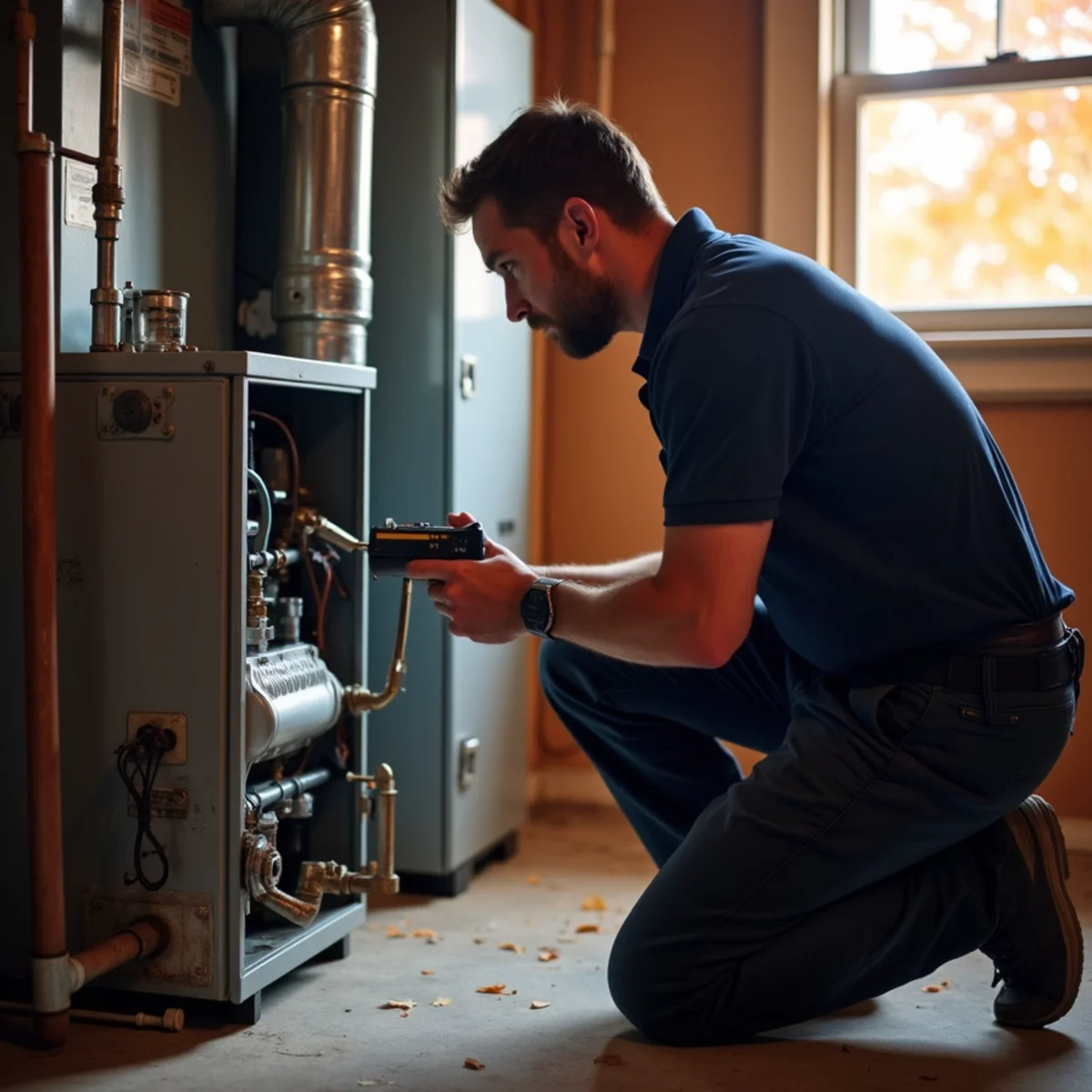
We insert an analyzer probe into the flue and read oxygen, carbon monoxide and flue temperature while the burners fire. Those numbers show whether the fuel-air mix is right and whether CO is being produced. It takes a few minutes and catches problems a visual look never will. More than once, a routine combustion test has turned up a furnace that needed to be shut down that day.
Heat exchanger inspection
We inspect the heat exchanger with a light and, where access allows, a camera, looking for cracks, rust-through and separated seams. We also watch the flame when the blower starts. A flame that lifts, rolls or changes color when air begins moving is a warning sign worth investigating.
Venting and CO
- Flue pipe: checked for proper slope, secure joints and corrosion, especially where a newer furnace shares an old masonry chimney.
- PVC venting on high-efficiency units: intake and exhaust checked for sagging, pooled condensate and nests or leaves at the termination.
- Ambient CO: measured around the furnace and in the living space.
- CO alarms: we look for working detectors and can talk through carbon monoxide safety options, including low-level CO detectors that alert earlier than standard alarms.
The Parts That Fail on the Coldest Night
Modern furnaces run through a strict startup sequence. Every step has a part that can wear out, and each leaves clues during a tune-up.
| Component | What we check | Warning sign |
|---|---|---|
| Flame sensor | Cleaned; microamp signal measured | Burners light, then shut off after a few seconds |
| Hot surface ignitor | Resistance and visible cracks | Clicking with no ignition, delayed light-off |
| Inducer motor | Bearing noise, amp draw, housing leaks | Whine or rattle at start-up |
| Pressure switch | Hose condition, correct close on draft | Repeated lockouts, flashing error codes |
| Gas valve and pressure | Manifold pressure against spec | Weak, lazy or uneven flames |
| Blower motor and capacitor | Amp draw, capacitor µF, wheel cleanliness | Weak airflow, humming blower |
We also check the condensate trap on high-efficiency furnaces, since a plugged trap trips the pressure switch and looks exactly like a dead furnace. Filter condition, temperature rise across the heat exchanger and thermostat operation round out the visit.
Limit switches, burners and the gas line
- High-limit and rollout switches: confirmed to open the way they should. These are the controls that shut the burners off if the heat exchanger overheats or flame spills out of the burner box, and we never jumper them to get heat back.
- Burner cleaning: rust flakes and dust brushed or vacuumed from the burner ports so each flame carries over and lights evenly instead of rolling.
- Gas line joints: the union, gas valve inlet and flex connector checked with leak solution or an electronic sniffer while the valve is open.
- Static pressure: measured across the blower on furnaces with noisy registers or rooms that never warm up, because a restricted duct system overheats the heat exchanger and cycles the limit switch.
Don't Forget the Humidifier
Ohio winters dry out indoor air fast once the heat runs full time. If your furnace has a whole-house bypass or steam humidifier, fall is the time to replace the water panel, clean the scale out of the distribution tray, open the bypass damper for winter and confirm the solenoid and drain work. A crusted pad does nothing, and a stuck solenoid can leave water running to the drain all season.
Your Pre-Winter Homeowner Checklist
- Install a fresh filter before the first real heating cycle.
- Test every CO alarm and replace batteries.
- Clear storage boxes and paint cans away from the furnace and water heater.
- Check that outside intake and exhaust pipes are free of leaves and nests.
- Run the heat on a cool September evening so the dust burn-off smell happens before you really need it.
- Note any new noises or error-light codes and mention them when you book.
Get on the Fall Schedule
We handle fall furnace tune-ups across the north side of the metro, including Huber Heights and Englewood, along with the rest of the Miami Valley. Customers on our Comfort Air “Fan Club” maintenance plan have their fall visit built into the plan; call for the current details. If the check-up turns up a cracked heat exchanger or a furnace near the end of its life, we will walk you through furnace repair and replacement options without pressure.
Call our office this month to lock in a fall furnace check-up before the first hard freeze fills the schedule.
The Complete Pre-Winter Furnace Guide for Ohio Homes
A tune-up covers the furnace cabinet. Getting through an Ohio winter also depends on what kind of furnace you have, what happens the first time it fires in October, and a few conditions specific to older Miami Valley houses. This guide fills in those pieces so you know what to expect before, during and after the visit.
Your furnace type changes what the visit focuses on
Not every heating system gets the same checkup. The equipment in a 1950s Dayton ranch and a 2015 Springboro two-story have different weak spots, and a good technician spends the time where failures actually happen.
| System type | Main focus areas | Common fall finding |
|---|---|---|
| 80 percent furnace, metal flue | Draft, chimney liner, heat exchanger, flue slope | Rusted flue joints or a chimney that no longer drafts well |
| 90-plus percent condensing furnace | Condensate trap and drain, PVC vent pitch, inducer, pressure switch | Gummed trap causing pressure switch lockouts |
| Older standing-pilot furnace | Thermocouple, pilot flame, heat exchanger age | Weak thermocouple letting the pilot drop out |
| Heat pump with gas furnace backup | Defrost board, reversing valve, balance point setting | Backup heat set to switch over at the wrong outdoor temperature |
| All-electric heat pump with strips | Heat strip sequencers, breakers, outdoor coil | One heat strip not energizing, slow recovery on cold mornings |
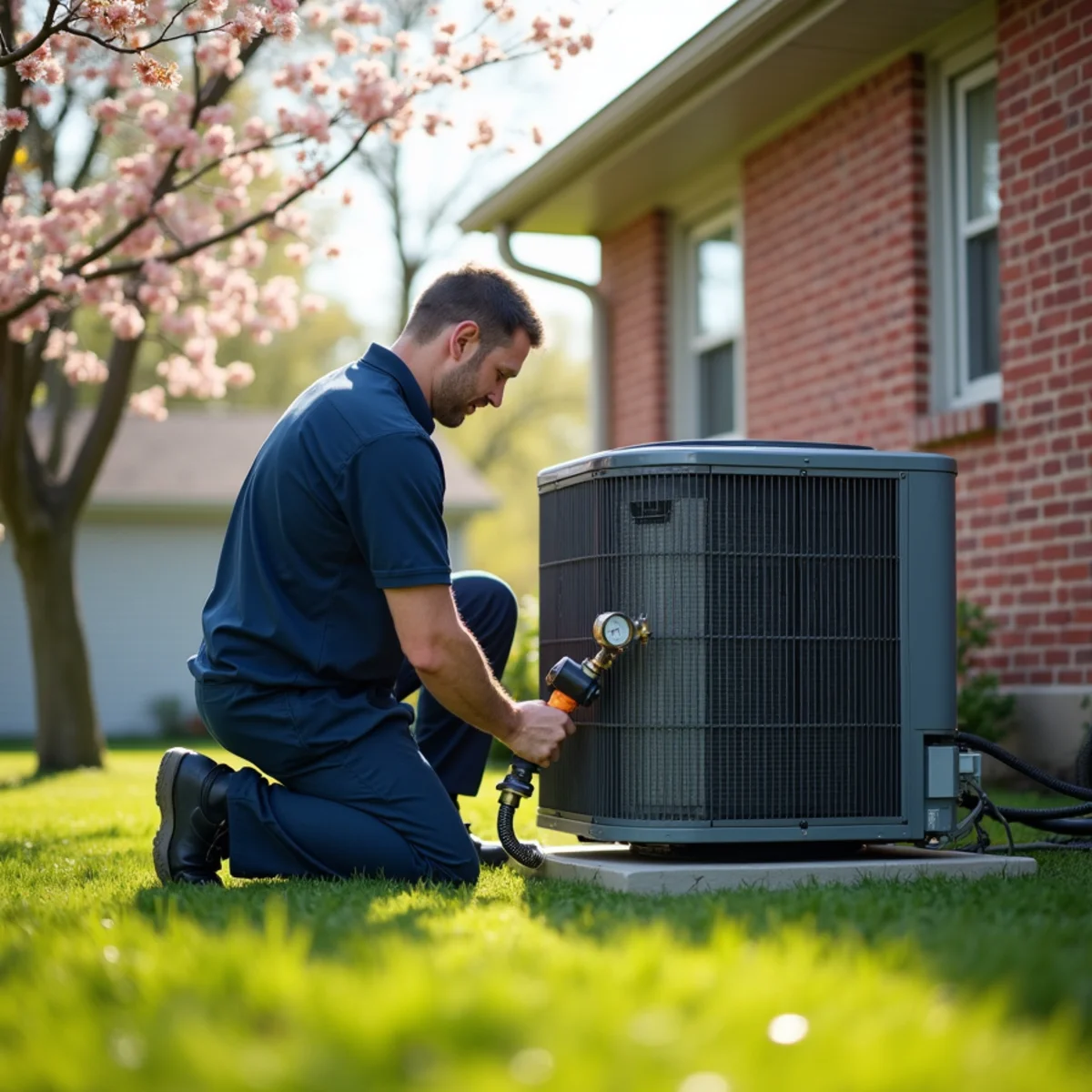
If your home heats with a heat pump, the fall visit overlaps with our heat pump service, because the outdoor unit that cooled all summer now has to defrost itself reliably through January.
What happens during a normal start-up, and where it breaks
Knowing the sequence helps you describe a problem on the phone. A modern gas furnace follows roughly these steps every time it runs:
- The thermostat calls for heat on its W terminal.
- The control board checks that the limit and rollout switches are closed.
- The inducer motor starts to pull air through the heat exchanger and up the vent.
- The pressure switch closes once it senses proper draft.
- The hot surface ignitor glows for several seconds.
- The gas valve opens and the burners light.
- The flame sensor proves flame within a few seconds or the valve shuts.
- After a short delay the blower starts and warm air reaches the registers.
A furnace that stops at step four points toward venting or the condensate side. One that lights and quits at step seven is almost always the flame sensor. Blinking codes on the board tell a technician which step failed, so reading the light before you call saves time. For a deeper look at those first-freeze failures, see what to check when the furnace quits in an Ohio cold snap.
Miami Valley conditions worth planning for
- Orphaned water heaters. When an older furnace is replaced with a 90-plus model vented through PVC, the gas water heater can be left alone in an oversized masonry chimney. It may not draft well in cold weather, which is a CO concern we check for every fall.
- Drifting snow on side-wall vents. Low PVC terminations on ranch homes can get buried in a heavy snow. Keep them clear through the season, since a blocked intake shuts a condensing furnace down.
- Frozen condensate lines. Drains that run through a garage or crawlspace can freeze in a hard January stretch and back water up into the furnace.
- Leaves at the intake. Late-October leaf drop from mature maples and oaks plugs intake screens right as heating season starts.
Why carbon monoxide testing is not optional
The CDC reports that more than 400 people in the United States die each year from unintentional carbon monoxide poisoning not linked to fires, and many more end up in emergency rooms. Heating season is when the risk peaks, because furnaces run for hours with windows shut. That is the reason our visits lead with a combustion analyzer rather than a flashlight, and why we recommend a CO alarm on every level of the house. Our post on what to do when a CO alarm goes off near the furnace covers the steps in order.
After the visit: signs to watch through winter
- Short cycles where the burners light and shut off within a minute.
- Soot or scorch marks near the burner opening or the draft hood.
- Condensation or rust streaks on the flue pipe.
- A low-level CO monitor showing any sustained reading.
- Rooms that fall several degrees behind the thermostat during cold mornings.
Any of those is worth a call, not a wait-and-see. If the tune-up already flagged your furnace as near the end of its life, the furnace repair-versus-replacement breakdown lays out what to weigh before the first cold snap forces the decision, and homes across Kettering and the south suburbs can get a written replacement quote at no charge.
From our technicians
What a furnace technician sees every September and October
The single most common repair we make during fall visits is a dirty flame sensor. A thin white or brown film builds up on the rod, the microamp signal drops, and the furnace lights, runs a few seconds and shuts off. On a mild October day it retries and eventually runs. On a 5-degree night in January it locks out. A light cleaning and a microamp reading take a couple of minutes and prevent a lot of 2 a.m. calls.
Second on the list is the condensate side of 90-plus percent furnaces. Traps and drain hoses gum up over summer while the AC coil above them drips, and a half-plugged trap will trip the pressure switch the first cold week. We pull and rinse the trap rather than just looking at it.
The findings that matter most are the rare ones. A combustion reading with CO climbing over the first few minutes of a burn, or a flame that shifts when the blower kicks on, gets investigated before we leave. Sometimes the honest answer is that a 20-year-old furnace with a compromised heat exchanger should be shut off. We explain what the analyzer showed, show you the reading, and give you written repair and replacement options so the choice stays yours.
Want a technician to take a look?
Comfort Air Solutions serves Miamisburg, Dayton and the Miami Valley — 24/7 emergency service.
- 4.8★ · 32 Google reviews
- 25+ years’ experience
- Written options before work
- Factory-Authorized Bryant® Dealer